Switzerland is the most beautiful travel destination in Europe. The country offers everything—bustling cities rich in history and culture, towering mountains with breathtakingly photogenic landscapes, towns and villages adorned with medieval architecture, legendary ski resorts, rushing rivers and massive waterfalls, stunning natural sites, vibrant markets, and everything a traveler could wish for. The Swiss experience is unlike anywhere else in the world; the harmony between nature and human craftsmanship is almost perfect, creating an unforgettable journey for every visitor.
How Much Time Do You Need for a Trip to Switzerland?
For a basic trip that covers most of Switzerland’s must-see natural sites and major cities, at least a week is needed. Despite its small size (and high cost), it’s impossible to fully experience Switzerland in a single trip.
20 Must-See Places and Attractions in Switzerland
- Circle Lake Geneva (Lac Léman)
- The Jet d’Eau fountain across from Geneva’s harbor
- Shopping on Bahnhofstrasse in Zurich
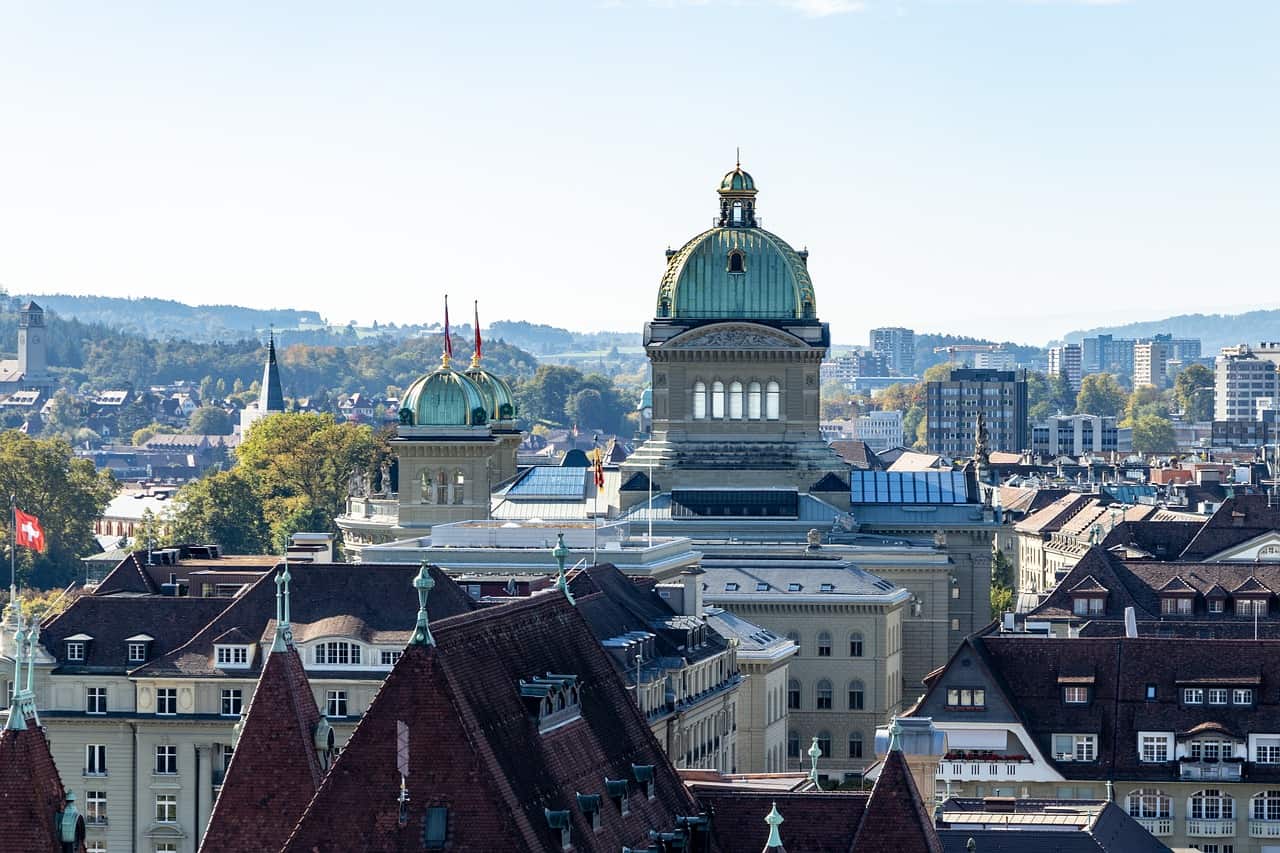
- The heart of Swiss politics in the Old Town of Bern
- The mighty Rhine River in the center of Basel
- Lucerne’s stunning wooden bridges
- The roaring Rhine Falls in Schaffhausen
- A quick trip abroad to Liechtenstein
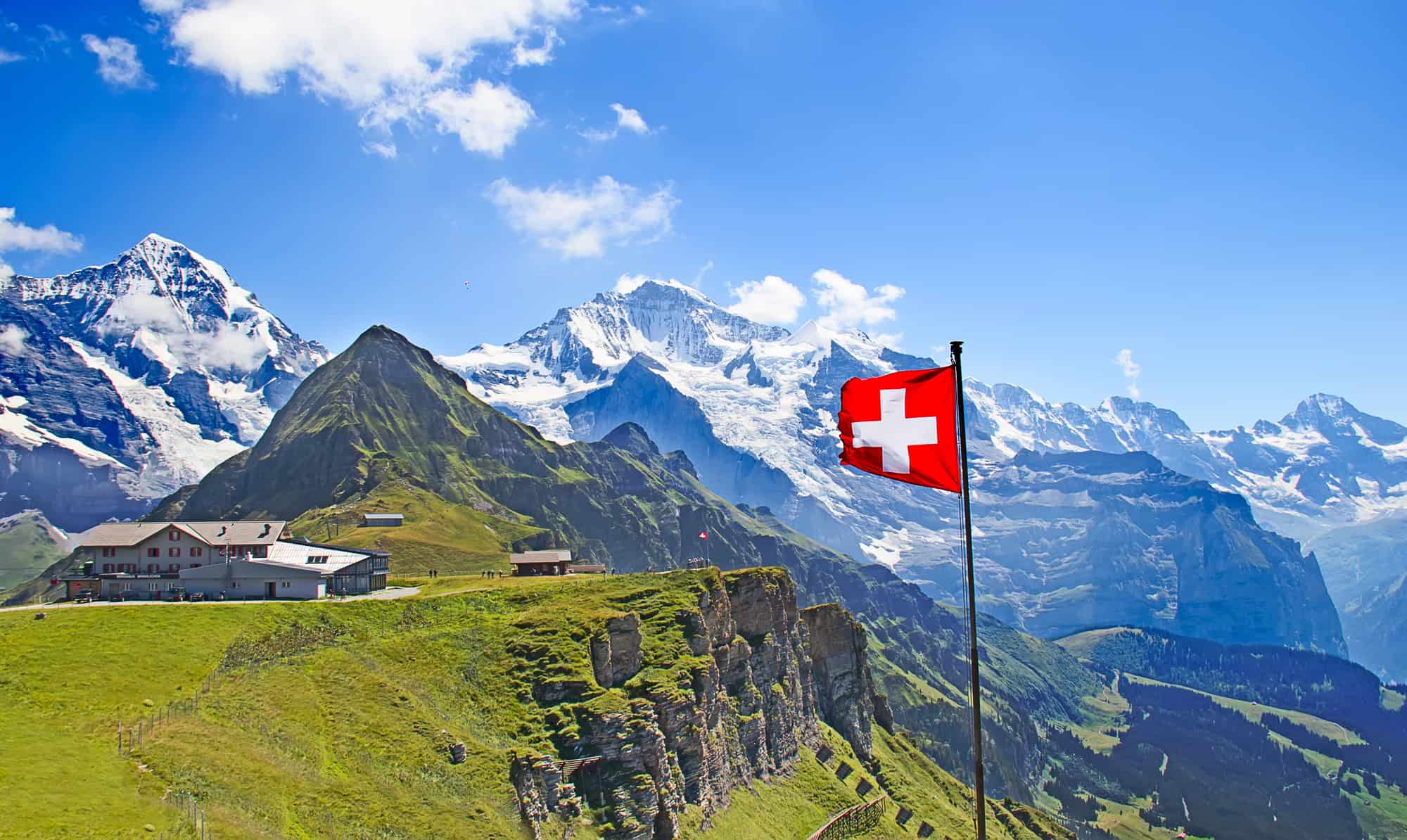
- The Matterhorn summit above Zermatt
- Luxury skiing in St. Moritz
- The magnificent Baroque buildings of Solothurn
- Climbing the Bernese Alps—from Interlaken through Lauterbrunnen to the Jungfrau summit
- The watchmaking industry in the Jura Mountains
- The beautiful streets of Lausanne
- An Italian experience in the cities of Canton Ticino—Lugano, Bellinzona, and Locarno
- The thermal baths of Baden
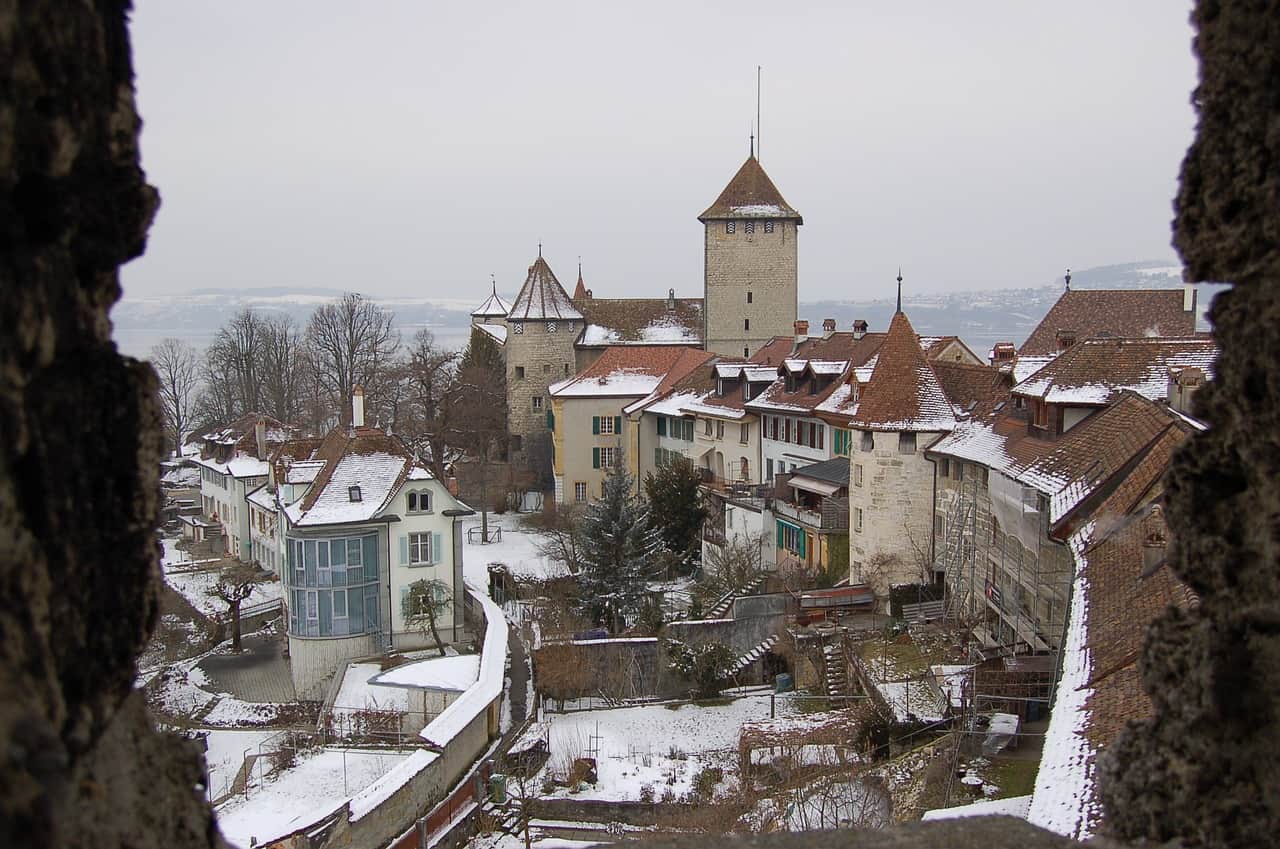
- The yellow sandstone of Neuchâtel and Mortein
- Hiking in the Heidiland region and Canton Glarus
- The beautiful city of St. Gallen
- The picturesque towns of Canton Aargau
What Is Switzerland?
Switzerland is the highest country in Europe, situated on the northern slopes of the Alps, between Italy, Germany, and France. Its culture has been deeply influenced by these three surrounding nations, along with Austria and Liechtenstein. The majority of Swiss people speak German. In the western region of Romandy, French is spoken, while the southern Alpine slopes are home to Italian-speaking communities.
Because of its linguistic diversity and lofty location, Switzerland has declared full neutrality and is not a full member of the United Nations or the European Union. This neutral stance has spared the beautiful country from much of Europe’s bloody history. Today, Switzerland enjoys the highest quality of life in the world and an extraordinary level of wealth.
The Cantons of Switzerland
Switzerland is a confederation of 26 self-governing cantons, operating under a federal system in the Swiss Parliament, located in the country’s de facto capital, Bern. Each canton holds almost complete legislative authority, while the confederation defines only foreign policy and a few basic federal laws applicable nationwide.
Swiss political culture emphasizes citizen involvement, with every major decision decided by a referendum. The origins of Switzerland lie in the union of three cantons—Uri, Schwyz, and Unterwalden—on August 1, 1291, as a defense against the expansion of the Austrian Habsburgs. This date is still celebrated today as Switzerland’s National Day.
The struggle against the Habsburgs is encapsulated in the country’s founding legend: the story of William Tell, who famously shot an apple off his son’s head. Over time, additional cantons joined the confederation, including non-German-speaking regions in northern Italy (Canton Ticino) and in Romandy (Cantons Vaud, Valais, Geneva, Neuchâtel, Fribourg, and Jura).
Switzerland Today
Modern Switzerland covers an area of approximately 41,000 km²—about twice the size of Israel—and is home to roughly 9 million people. Its largest city and financial and transportation hub is Zurich. Geneva, located at the western tip of the country, serves as the secondary urban center and the epicenter of international institutions, hosting the UN’s European headquarters and the offices of the International Committee of the Red Cross.
Most Swiss residents live in the Swiss Plateau, the lowland region on the northern slopes of the Alps, which is rich in lakes and rivers forming part of the Rhine River basin. To the north of the plateau lies the ancient Jura Mountains.
Today’s Switzerland is an empire of tourism, industry, skiing, and more. The country is renowned for its luxury watchmaking, strong banking sector, and the sheer abundance of high-quality travel destinations. Switzerland is not cheap, but much like its watch industry, uncompromising quality outweighs the cost.
How to Get to Switzerland and Get Around
Flying to Switzerland
A direct flight from Israel to Switzerland takes about three and a half hours. Several direct flights depart from Israel to Switzerland each day.
Regular flights land at Zurich Airport (Kloten) and Geneva International Airport every day throughout the year. Low-cost carriers also operate direct flights from Tel Aviv to Geneva and to Basel-Mulhouse-Freiburg Airport, which additionally serves Germany’s Black Forest region and France’s Alsace-Lorraine area.
Switzerland has three major international airports—Zurich, Geneva, and Basel—along with a number of smaller airports accessible via transfer.
Zurich International Airport (ZRH) – Flughafen Zürich Kloten
Zurich Airport is located north of the city center, near the suburb of Kloten. It is Switzerland’s main airport and one of the busiest and most important airports in Europe. From the airport’s train station, direct trains run to all major Swiss cities, including Bern, Lucerne, Basel, Lausanne, Geneva Airport, and more.
Geneva Airport (GVA) – Aéroport international de Genève
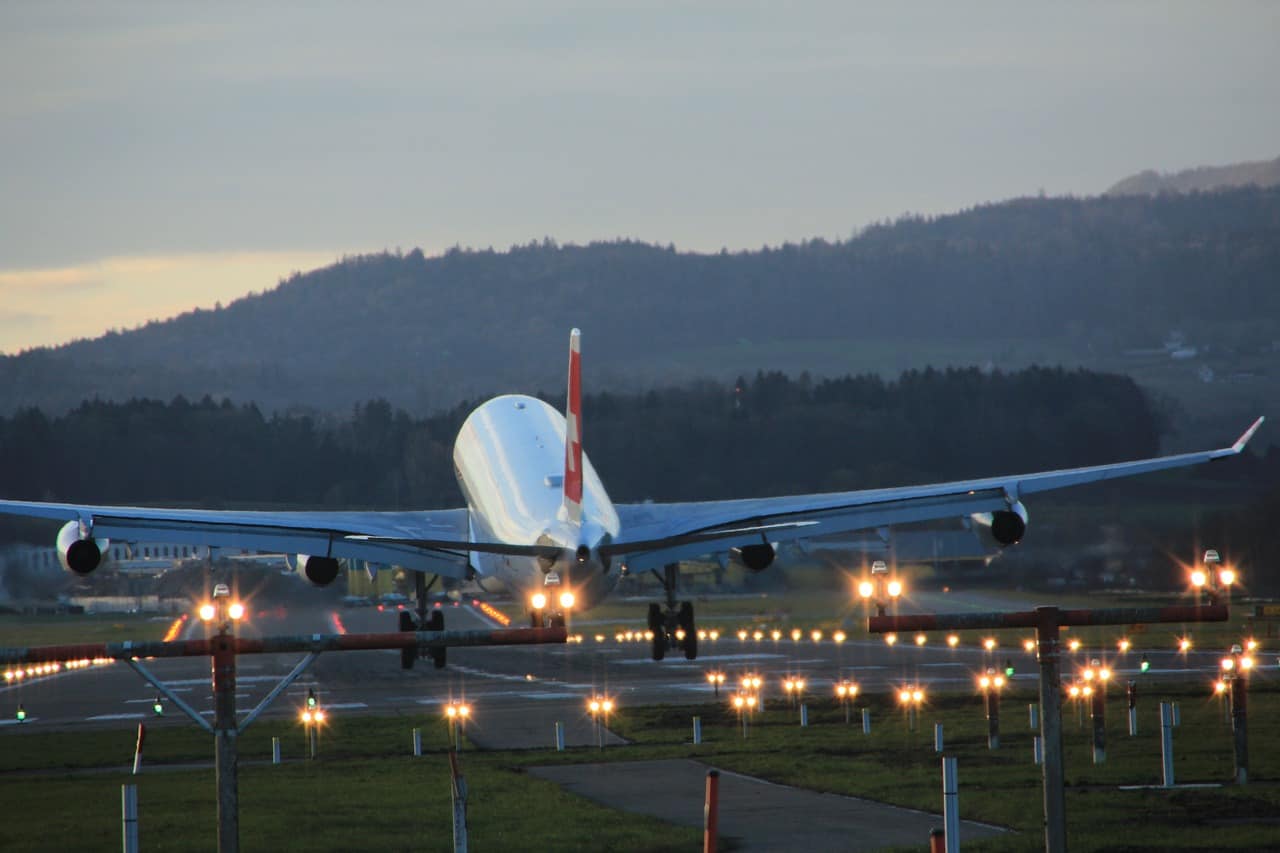
Geneva Airport is Switzerland’s secondary international airport after Zurich. Geneva is the most visited city in Switzerland, situated in the country’s most touristic alpine region. The airport terminal is only five kilometers from the historic city center and is located near the Swiss-French border.
EuroAirport Basel-Mulhouse-Freiburg (BSL)
Basel’s airport is located just across the border in France. It is a joint airport serving Basel as well as the nearby cities of Mulhouse and Freiburg. Despite being outside Swiss territory, it lies right on the outskirts of Basel. Throughout most of the year, low-cost carriers operate direct flights from Tel Aviv to Basel, serving inbound tourism to France’s Alsace region and Germany’s Black Forest in the southwest.
Trains in Switzerland
Traveling by train in Switzerland is efficient and convenient—but it comes at a steep price. Switzerland is an expensive country, and exploring it by rail can certainly impact your budget. If you prefer not to rent a car and want to explore the Alpine country by train, we’ve prepared a guide to help you plan your trip and reduce costs.
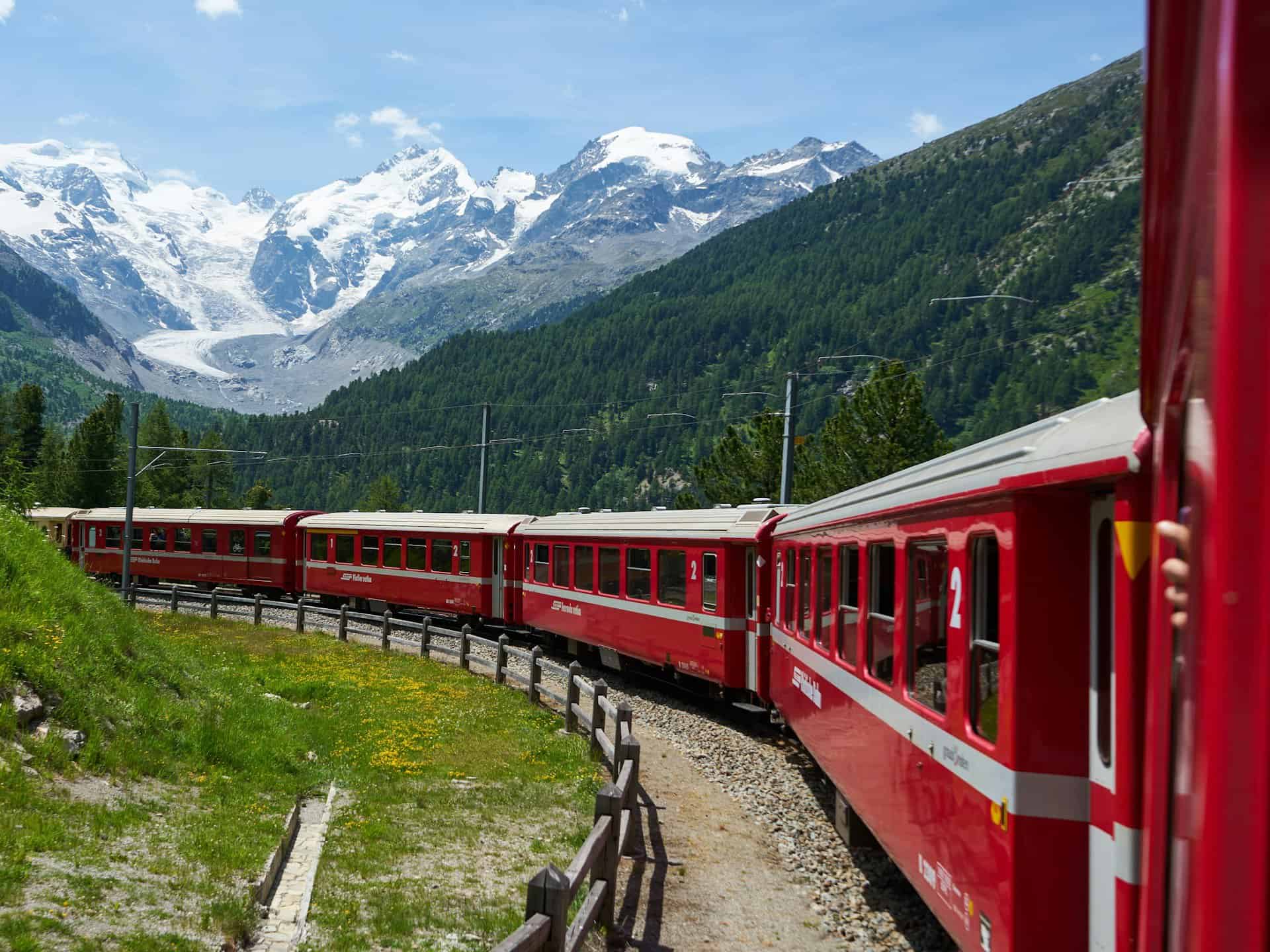
Switzerland’s railway system is among the best in the world, connecting nearly the entire Alpine region, including high mountain routes. Swiss trains are spotless, fast, and, of course, as punctual as a Swiss watch.
Types of Trips in Switzerland
Although Switzerland is a small country by European standards, it offers a wide range of travel options—from urban exploration in its major cities, to itineraries that combine city and nature, to ski vacations and spa tourism.
It is possible to combine different types of trips, but keep in mind that Switzerland is expensive and every minute counts. Planning carefully and knowing the purpose of your trip is essential.
Exploring Switzerland’s Major Cities
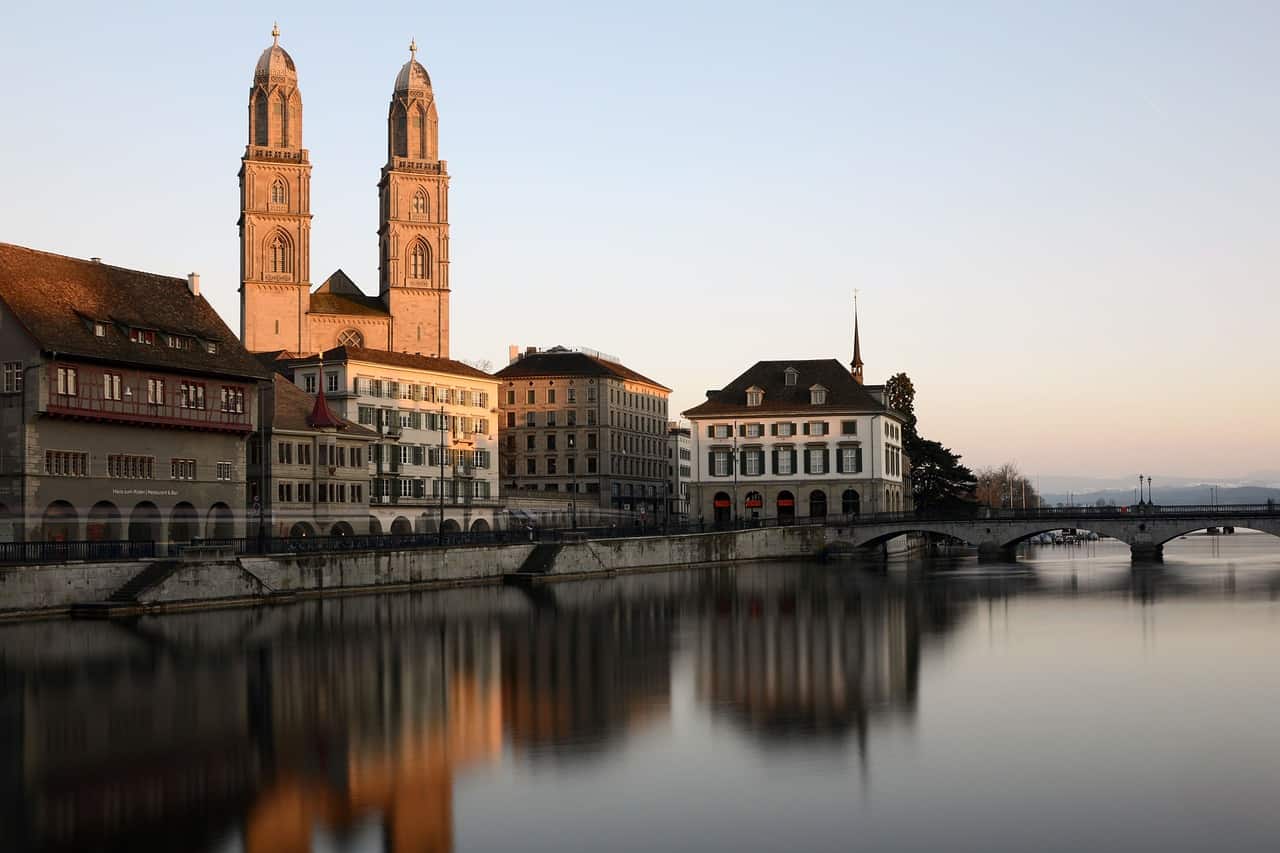
A typical city trip in Switzerland includes a range of cities, with time needed varying from half a day in smaller towns such as Neuchâtel, Fribourg, or Solothurn, to two or three full days in larger cities like Basel, Zurich, Geneva, and Lucerne. City explorations usually focus on the historic old town, often near the market square and the city cathedral (Münster).
Switzerland’s major cities are full of attractions, including excellent museums on a variety of topics (Switzerland opened the first museum for the public), charming markets, shopping streets, magnificent churches, central squares adorned with beautiful fountains topped by colorful ancient statues, and unique attractions—for example, the Lindt Chocolate Factory in Zurich.
All of Switzerland’s larger cities feature promenades along lakes and rivers, often forming green lungs that connect a series of parks. Nearby, there are always breathtaking natural sites suitable for half-day excursions (such as Mount Pilatus near Lucerne or Rhine Falls for a day trip from Zurich).
Exploring Switzerland’s Unique Cities and Towns
Throughout Switzerland, countless small towns and cities are major tourist destinations:
- Charming Alpine towns such as Sion, Interlaken, St. Moritz, Zermatt, Andermatt, Chur, Wengen, Engelberg, and more.
- Jura Mountains towns such as Le Locle, La Chaux-de-Fonds, Saint-Ursanne, and others.
- Small towns in the Swiss Plateau such as Baden, Thun, Olten, Zofingen, Biel, Schaffhausen, Mortein, Aarau, Brugg, and more.
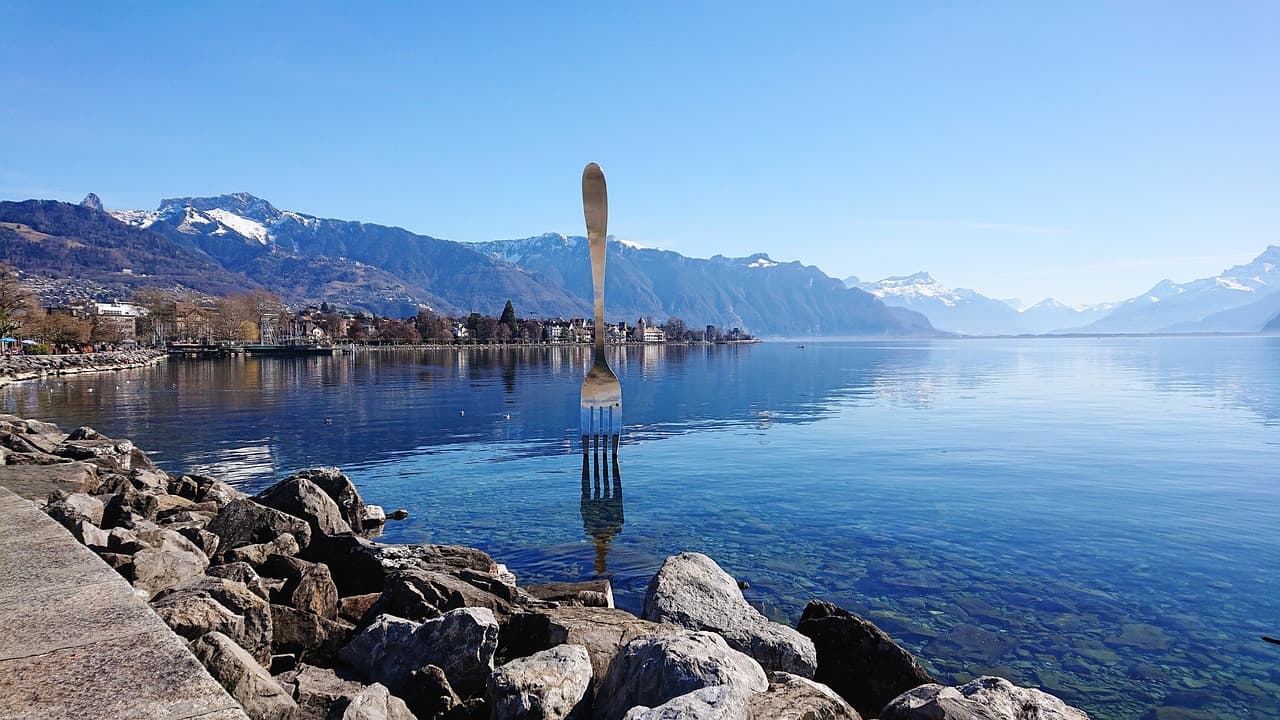
- Unique towns such as Gruyères, Montreux, Vevey, Rorschach, and others.
Exploring these smaller towns and unique destinations is usually part of a car or train itinerary that is best planned in advance. Switzerland’s train system is extremely convenient, and all major towns and cities—especially those that are popular tourist destinations—are easily accessible by train from Switzerland’s main cities.
Train Travel in Switzerland
The train travel routes in Switzerland are virtually endless. Train travel is extremely convenient, and the rail network is simply astounding in its reach.
Train travel in Switzerland is not cheap, but there are various combination tickets and passes that can significantly reduce the cost of journeys.
What makes Switzerland unique is the almost impossible-to-believe connection of Alpine towns to the railway system, allowing breathtaking views of the mountain ranges during the train ride.
All of Switzerland’s major cities—such as Geneva, Bern, Lucerne, and Zurich—serve as central transportation hubs. From these cities, trains run up into the Alps or to towns and villages across the Swiss Plateau.
Traveling by Car in Switzerland
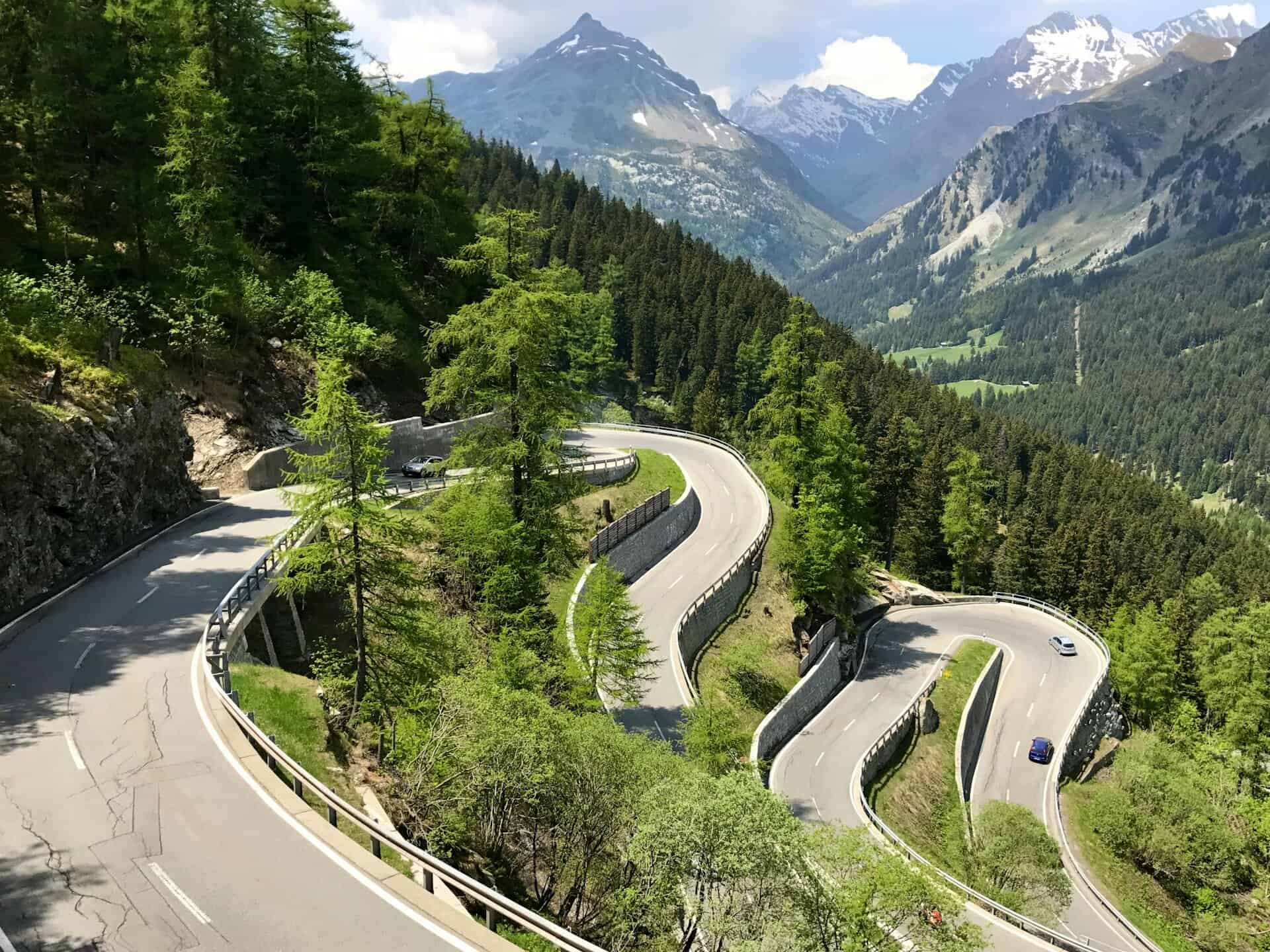
Just as almost all of Switzerland is covered by railways, its roads are excellent, easy to navigate, and reach even the most charming corners high in the mountains. For those exploring primarily rural areas or mountain ranges, traveling by car is the ideal way to experience Switzerland in depth.
Along the mountain valleys on the Alpine slopes, scenic country roads allow you to get within arm’s reach of some of the Alps’ most iconic peaks. A car frees your trip from the constraints of train routes, giving you the flexibility to stop at special spots and adjust your itinerary on the fly according to what catches your eye.
Driving also allows for stays in cozy country inns and nature-focused trips in Switzerland’s lower regions, such as Lake Constance (Bodensee), the Rhine Falls, or scenic lake trails along the northern Alpine slopes.
In general, it is not advisable to drive into the center of Switzerland’s major cities unless you have prearranged parking.
Wellness and Spa Tourism in Switzerland
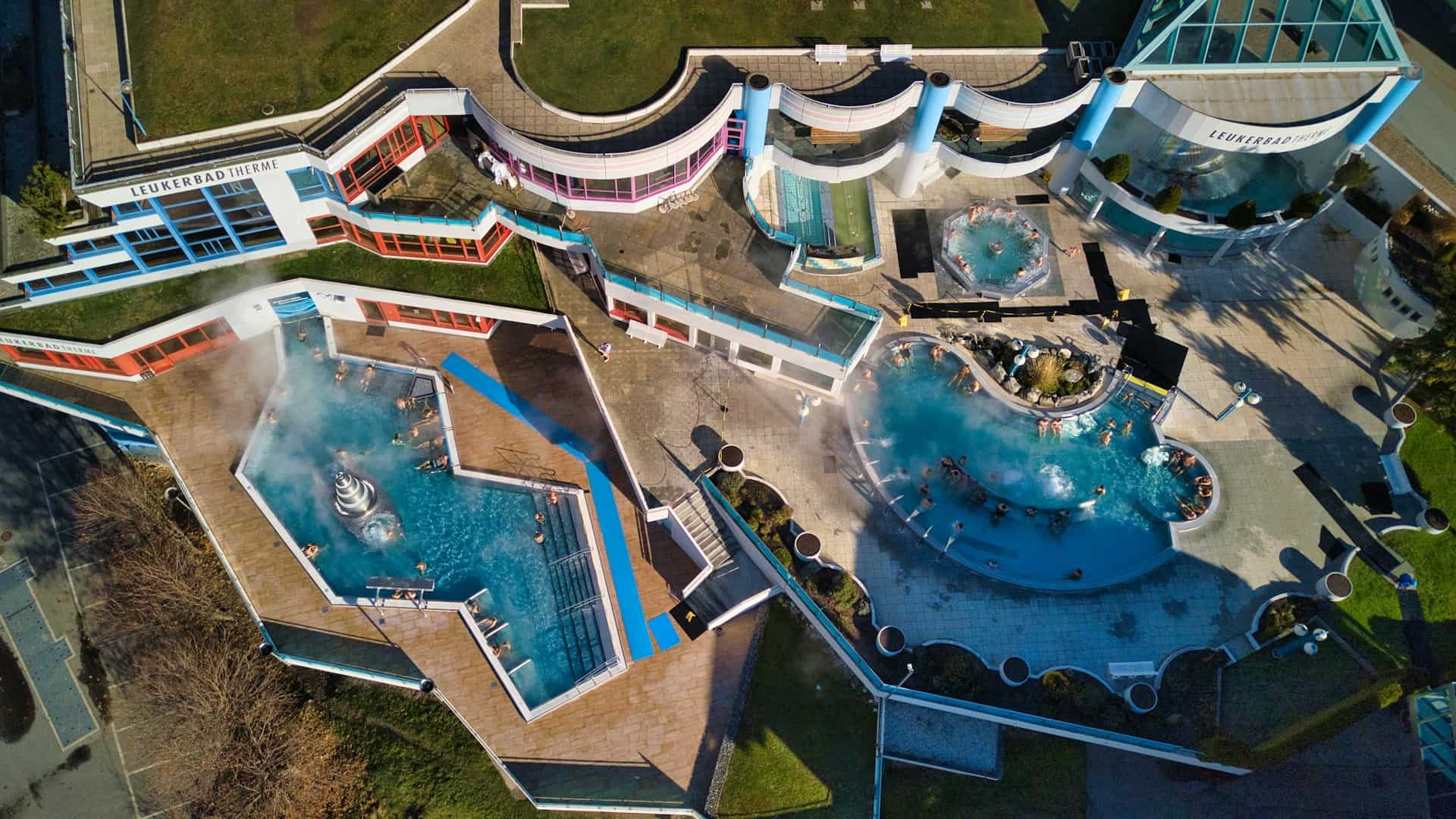
Switzerland is the most developed country in the world for wellness and spa tourism. The country offers everything—sulfur springs, excellent rehabilitation hospitals, the cleanest and freshest air in the Alps, and towns and cities fully dedicated to the spa and wellness industry, such as Baden near Zurich or Yverdon-les-Bains at the western tip of Lake Neuchâtel.
Four Leading Thermal Spa Destinations in Switzerland:
- Baden
- Leukerbad
- Bad Ragaz
- Bad Zurzach
- Gruyères Spa in Charmey
Skiing in Switzerland
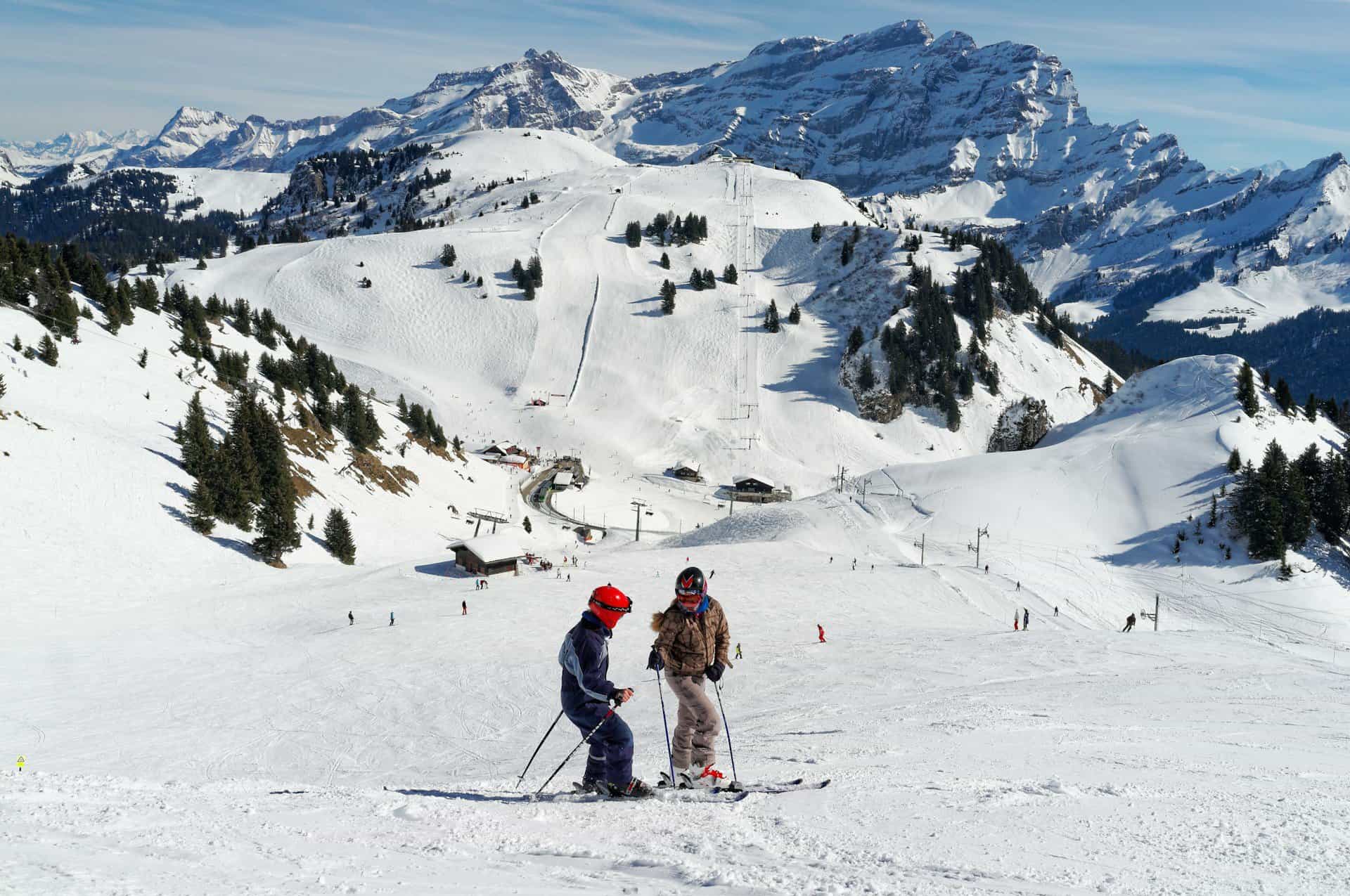
Skiing is an integral part of Swiss culture. Across the country, there are hundreds of towns and villages dedicated entirely to winter sports.
Due to the high Alpine peaks, the ski season in Switzerland typically lasts from November through April (depending, of course, on snowfall) and attracts a huge number of tourists from across Europe—and even Israel. Switzerland is home to some of the world’s most famous ski resorts, primarily in the Alps but not exclusively. You can find ski areas catering to professional slopes, family-friendly resorts with gentle runs, and even resorts specializing in cross-country skiing.
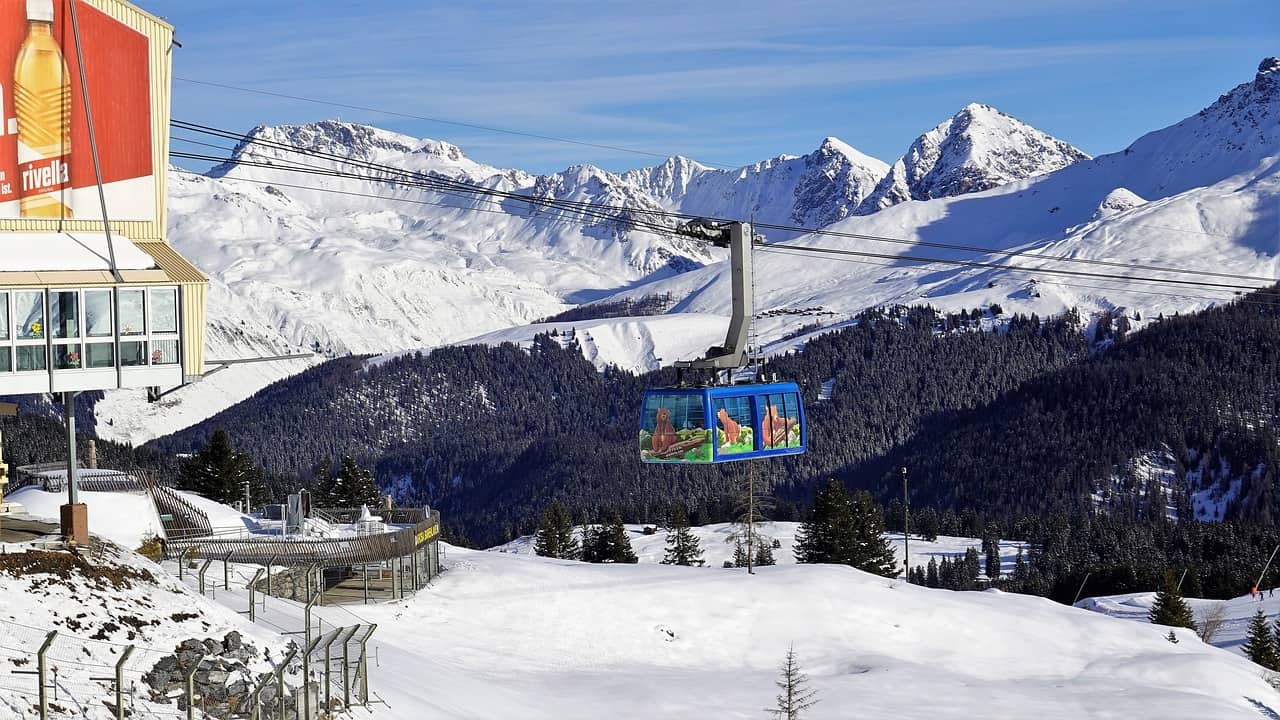
Hundreds of ski lifts operate in Swiss ski resorts during the winter. In autumn and spring, these lifts are usually closed for maintenance, reopening in summer as part of Switzerland’s extensive Alpine hiking tourism.
Switzerland’s ski resorts stretch from Graubünden in the east (Davos, St. Moritz, Laax, Arosa, and more), through central and Bernese Alps ranges (Engelberg, Andermatt, Wengen, Adelboden, Kandersteg, Gstaad, and others), all the way to the stunning peaks of the Valais Alps (Zermatt, Saas-Fee, Crans-Montana, Champery, Verbier, and more).
Some of the most challenging and scenic mountains in the world for skiing and Alpine climbing are found in Switzerland, including the Matterhorn, Eiger, Jungfrau, Mount Pilatus, Mount Titlis, and Piz Bernina. Many of these peaks are accessible via mountain trains and ski lifts, and some even feature observation decks right at the summit.
Summer Hiking in the Alps and Nature Reserves
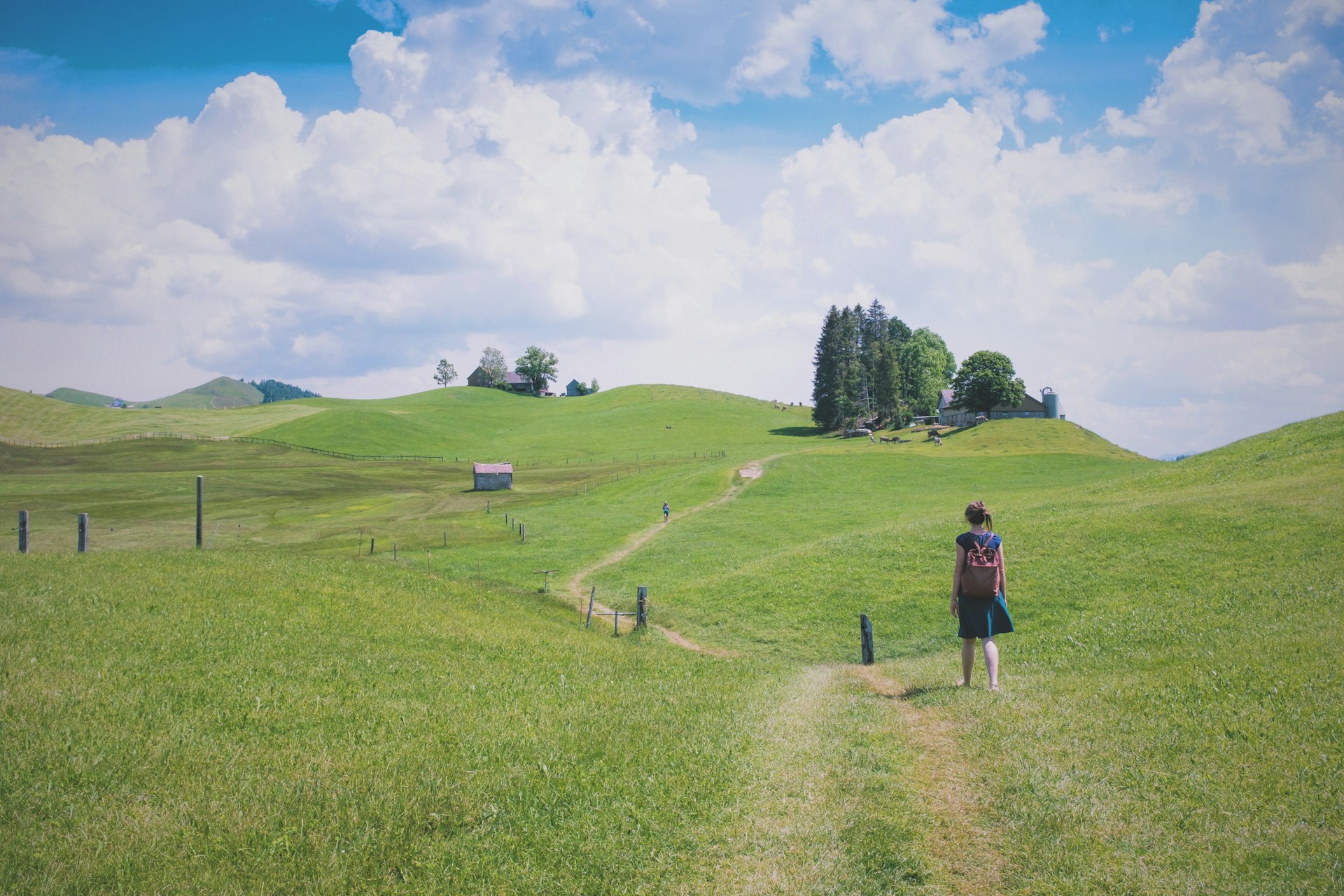
Switzerland’s natural landscapes in summer are as breathtaking as the winter snow. The pleasant weather at the mountain peaks (strong sun exposure makes sun protection essential) and the unusual scenery of the Alps attract a huge number of tourists to an incredible variety of hiking trails, offering views that are almost unbelievable. Many peaks are accessible via ski lifts, which in summer become an integral part of Switzerland’s hiking routes.
Beyond the mountain ranges, Switzerland is home to countless unique natural sites, such as the spectacular Rhine Falls, the Aare River gorge, and an endless array of lakes and rivers—featuring waterfalls, deep gorges, and all the beauty that nature has to offer.
Eastern Switzerland
Zurich
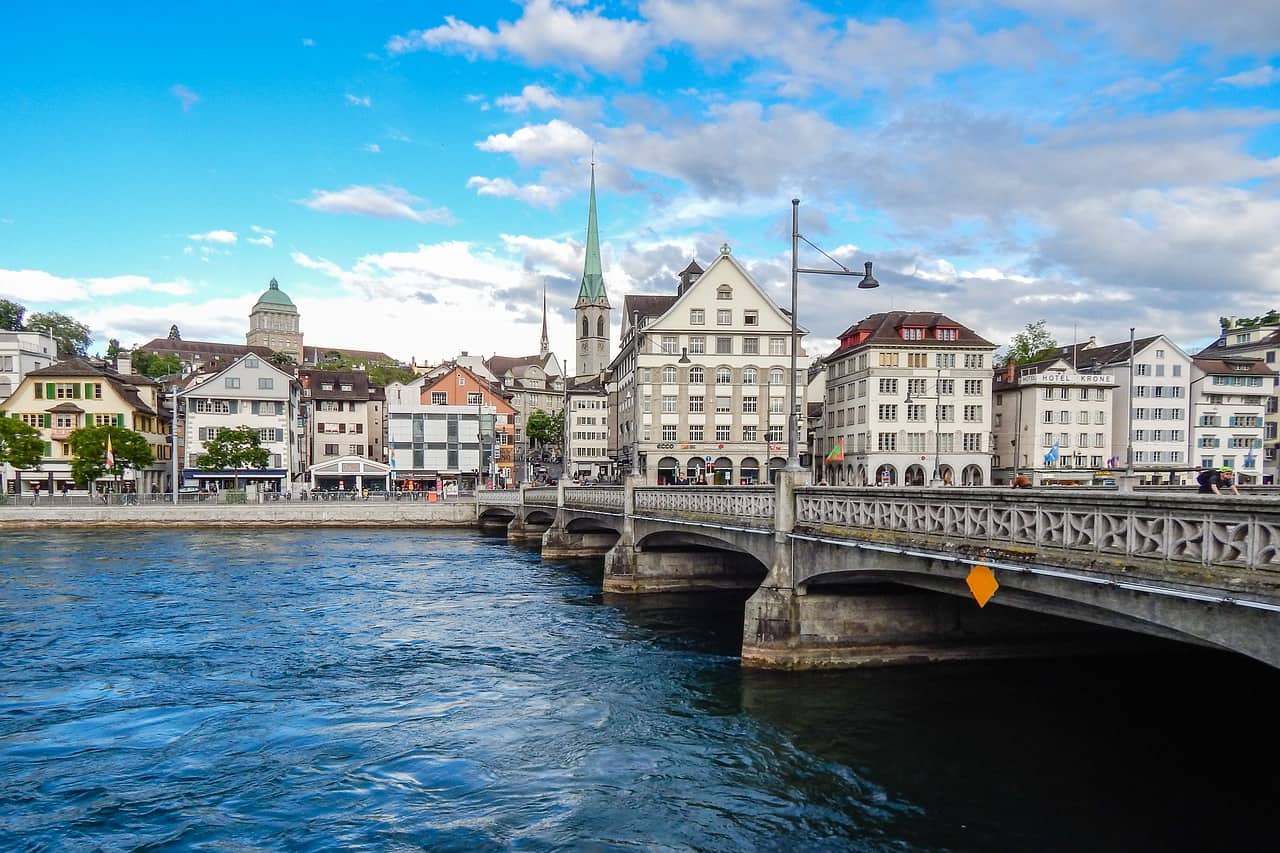
Zurich, the largest city in Switzerland, is the urban heart of the Alpine wonder that the country is known for. It serves as Switzerland’s financial and cultural center (though not the political capital—that role belongs to Bern) while maintaining a clean, almost village-like character. Zurich is one of Europe’s most attractive cities, both in terms of quality of life—clean air, excellent municipal services, efficient public transport—and as a tourist destination.
Visitors to Zurich can enjoy everything that locals appreciate, along with a concentrated offering of art, culture, design, and more. The city features excellent markets, shopping districts, and picturesque Alpine streets. It also offers plenty of green spaces and nature, including beautiful parks, riverside walking paths, and the scenic shores of Lake Zurich, which borders the city to the south.
Lake Constance (Bodensee) and the Rhine Falls
Lake Constance, or Bodensee, is the main tourist destination in northeastern Switzerland. Surrounding the lake and the hills above it are resort towns, historic villages, breathtaking castles, and a network of waterways and roads offering spectacular views of the lake and mountains. Overlooking the lake is the city of St. Gallen, built around a Benedictine monastery along a river valley flowing toward the lake.
Beyond St. Gallen, the region features charming towns and cities, lush natural areas, countless streams and rivers, and even ski resorts that are not located in the high Alps.
Two large lakes dominate the region along the mountainous course of the Rhine River. Lake Constance is divided into two sections: the Upper Lake (Obersee), one of the largest glacial lakes in the Alps, and the Lower Lake (Untersee), which is the continuation of the larger lake. The area around St. Gallen is a popular destination for trekking, cycling, and especially cross-country skiing.
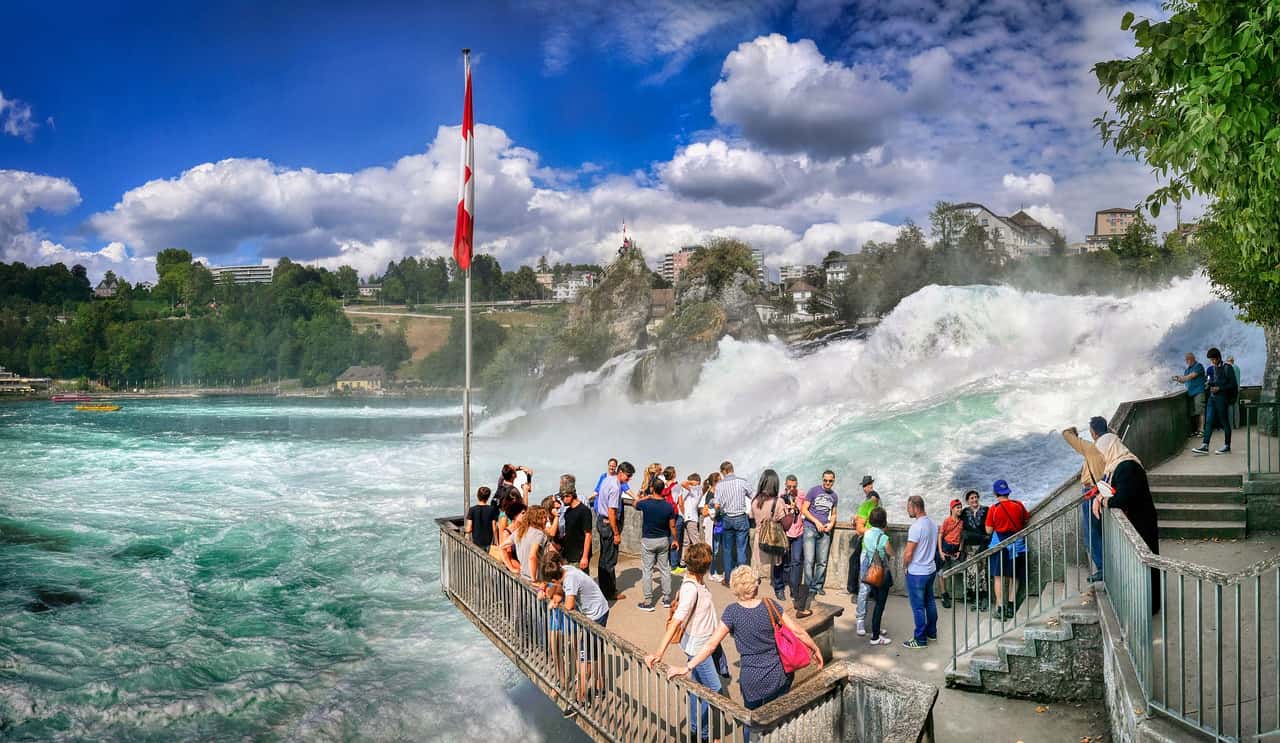
To the west, across the Rhine River, lies the city of Schaffhausen, a unique attraction in its own right. Nearby are the roaring Rhine Falls, one of northern Switzerland’s most popular natural sites.
Aargau and Zurich Canton
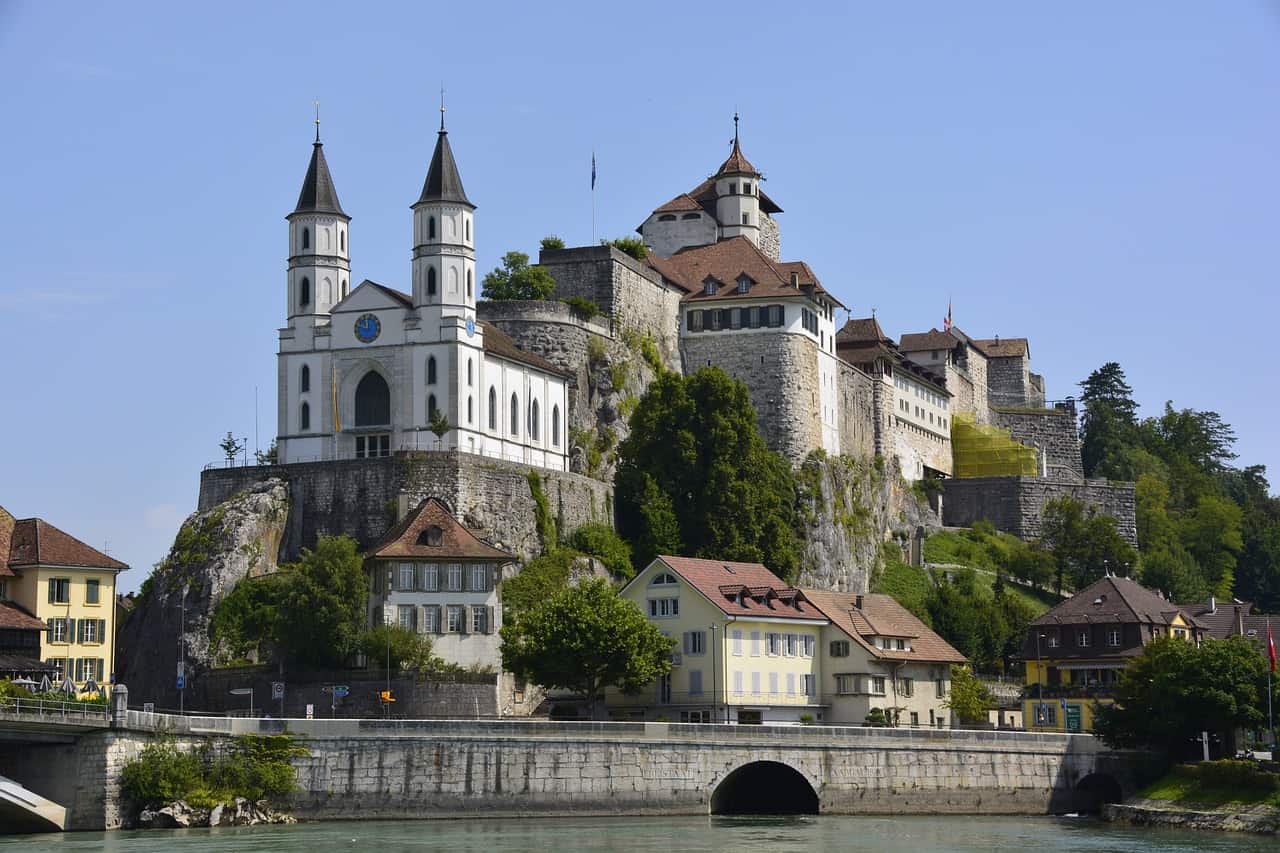
The developed regions of the cantons of Zurich and Aargau offer some of the clearest insights into modern Switzerland. The capital of Zurich Canton, the city of Zurich, is Switzerland’s largest and most modern metropolis, as well as the financial and transportation hub of the Alpine nation. In the surrounding German-speaking area, there are many towns and small cities that are also attractive for visitors.
The small town of Winterthur is a powerhouse of high-quality museums, and the cities of Aargau Canton—led by its capital, Aarau—are appealing destinations, particularly for exploring the charming old towns. The famous spa town of Baden in Aargau is especially popular with wellness tourists.
Across this region, between towns and castles, flow numerous large rivers—the Limmat, Reuss, and Aare, all draining into the Rhine—along with countless streams and breathtaking castles, offering a nearly endless array of scenic and historic sites.
Graubünden
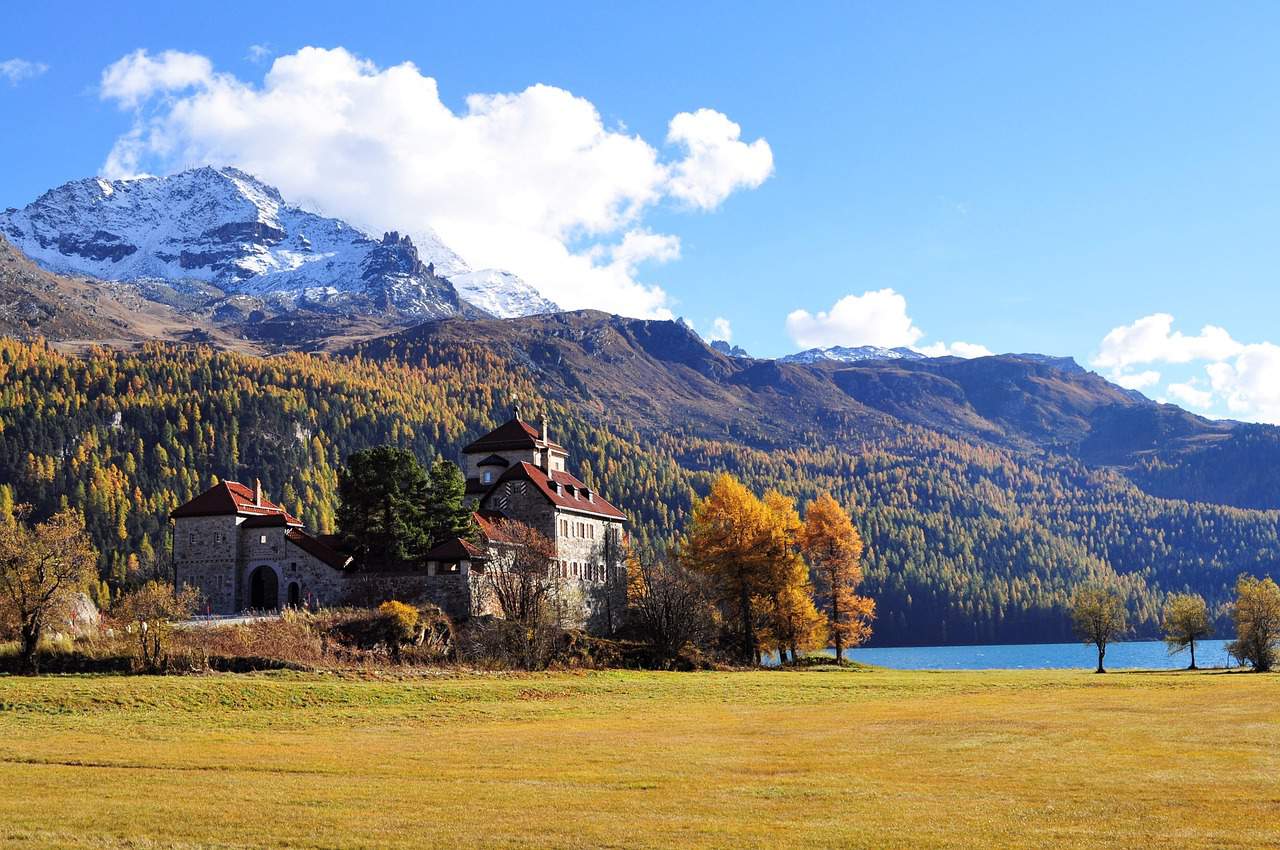
The canton of Graubünden is one of the most scenic and captivating regions of Switzerland. Similar to the French-speaking canton of Valais, Graubünden is the Alpine heart of eastern Switzerland and is predominantly German-speaking. In the upper valleys of the Rhine tributaries and the Engadin Valley—the long valley of the Inn River—reside speakers of the ancient Romance-Celtic language, Romansh.
The Alpine valleys stretch beneath photogenic peaks, where the historical foundations of skiing can be found. The ultra-luxurious ski resort of St. Moritz is the birthplace of this sport, which quickly became a status symbol and evolved into a family vacation destination.
The Alpine prestige and glamour of the canton also extend to Davos, famous for hosting the World Economic Forum. Beyond these two major towns, numerous villages specialize in high-quality Alpine hotels and ski lifts ascending the mountain slopes. In summer, the sunny canton is a highly sought-after tourist destination—a dream for families seeking a cool Alpine getaway amid some of the most beautiful scenery in the world.
For those longing for a touch of urban atmosphere, the canton’s capital, Chur, is a historic city and is considered Switzerland’s oldest city.
Walensee, Heidiland, and Glarus
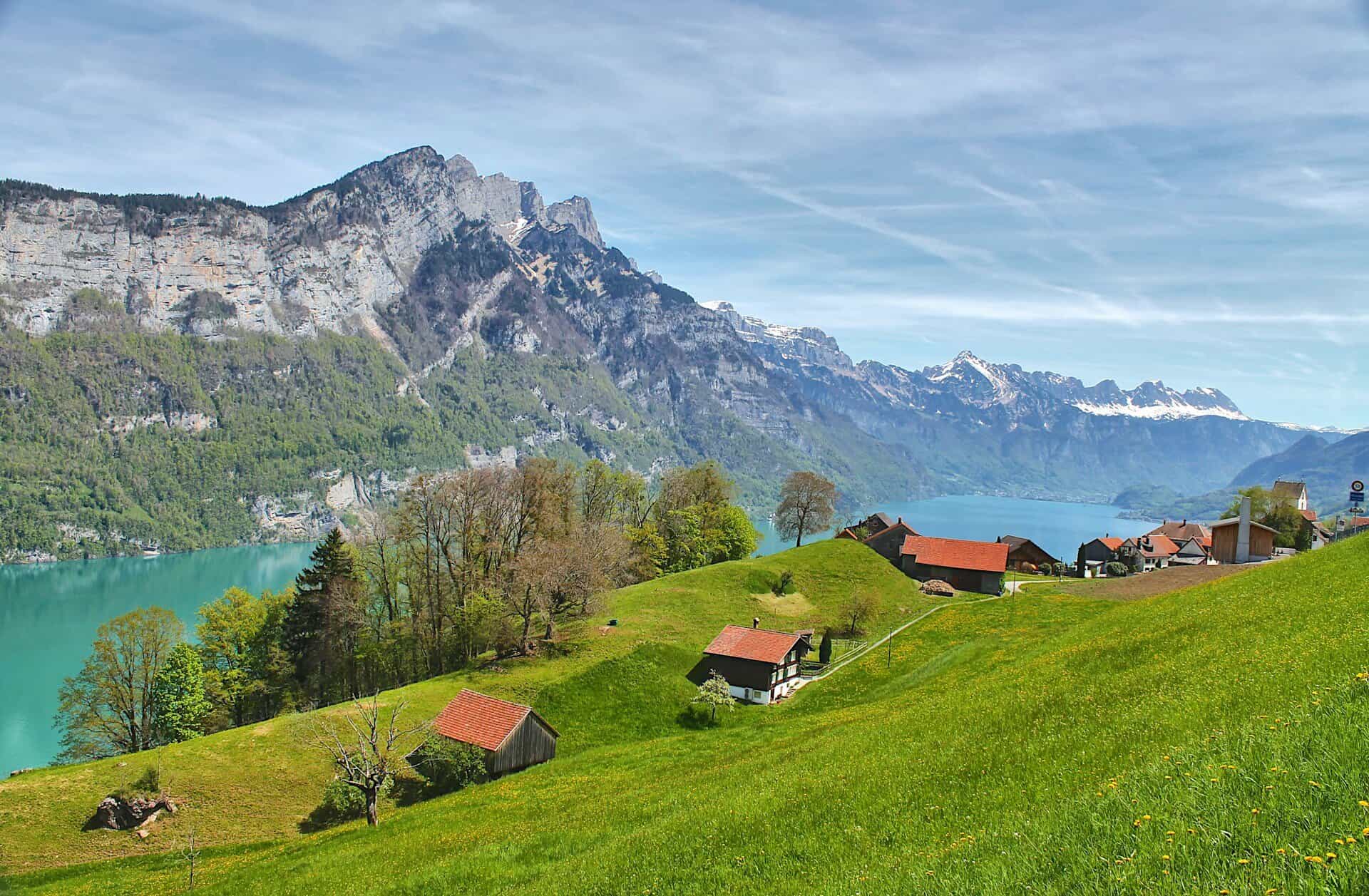
Walensee, or Lake Walen, is one of the most beautiful lakes in Switzerland. It is located in the southern part of the canton of St. Gallen, along the border with the canton of Glarus in its southwestern corner. The lake lies within a large Alpine valley framed by the spectacular Churfirsten range, which rises sharply from north to south to heights of 2,500 meters, and the Flumserberg area in the southeastern corner, a popular summer resort and cross-country skiing destination. Over the southern portion of the lake tower the peaks of Mürtschenstock (2,800 meters) and Magerrain (2,500 meters) in the northern section of the Glarus Alps.
The largest town on the lake is Walenstadt, at its eastern end, with a population of about 6,000. On the western shore lies the village of Weesen, one of the larger lakeside settlements, home to nearly 2,000 residents.
The Walensee valley serves as a key transportation corridor between the major city of Zurich to the west and the Alpine canton of Graubünden in the southeastern corner of Switzerland. Along the southern shore runs Highway 3, parallel to the railway line, connecting Zurich with Liechtenstein and the Rhine River valley. The road reaches the Rhine Valley and intersects with Highway 13 near the popular spa town of Bad Ragaz, at the foot of the impressive Pizol mountain.
Liechtenstein
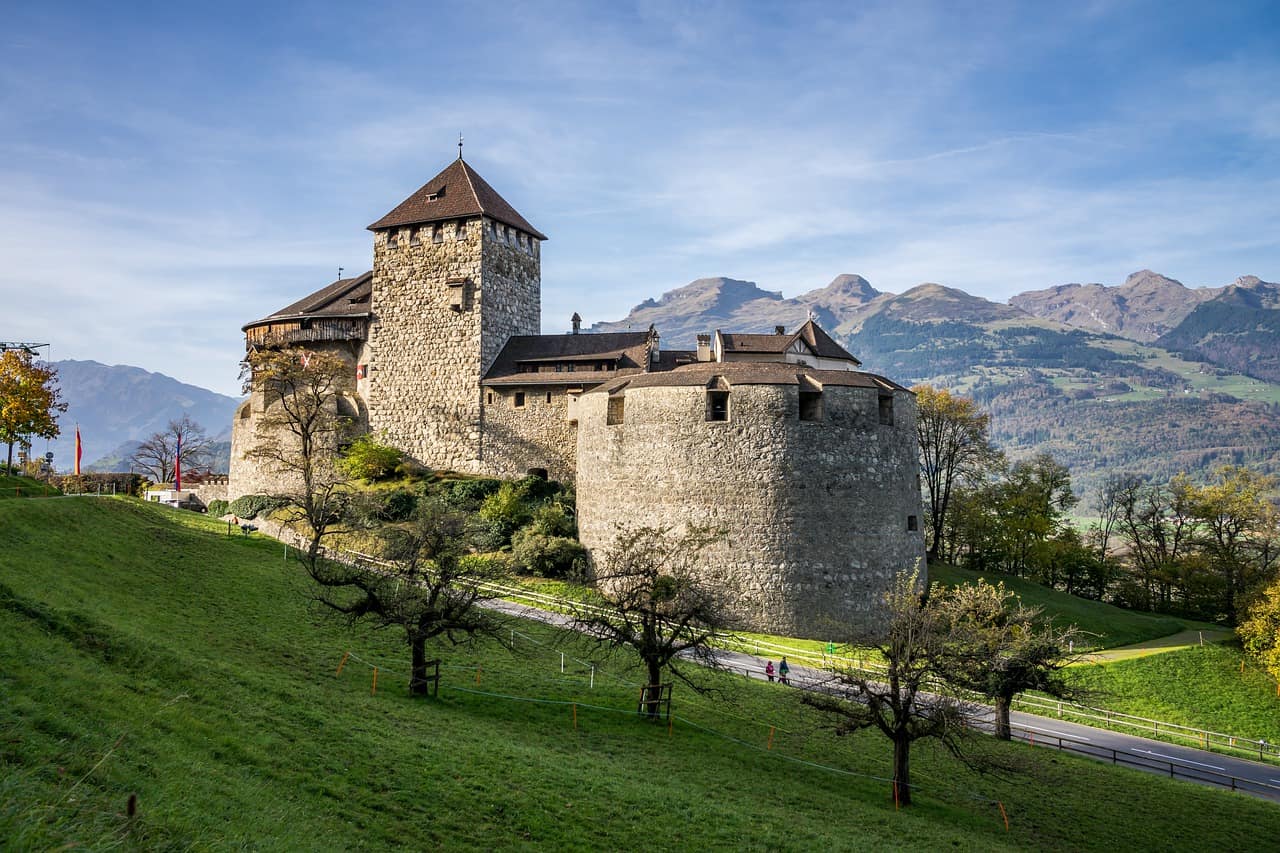
Liechtenstein offers the perfect opportunity to discover a new country during your visit to eastern Switzerland. This tiny principality is a popular destination for travelers looking to tick off another country on their list or to experience a magical principality with magnificent castles and breathtaking Alpine views of the photogenic Rätikon range.
Unlike the cantonal regions of Switzerland, which were ideologically founded on distancing themselves from the European royal dynasties of the feudal era, Liechtenstein is a principality rooted in blue-blooded rule, and its character and attractions reflect this heritage.
Despite its history and its identity as a territory long integrated with Austria to the east, over the past two centuries Liechtenstein has become closely associated with Switzerland. Its neutral status and its determined efforts to maintain sovereignty in the face of European empires—from the Austro-Hungarian Empire of the previous century to today’s European Union—have allowed it to preserve its distinct identity.
Central Switzerland
Bern
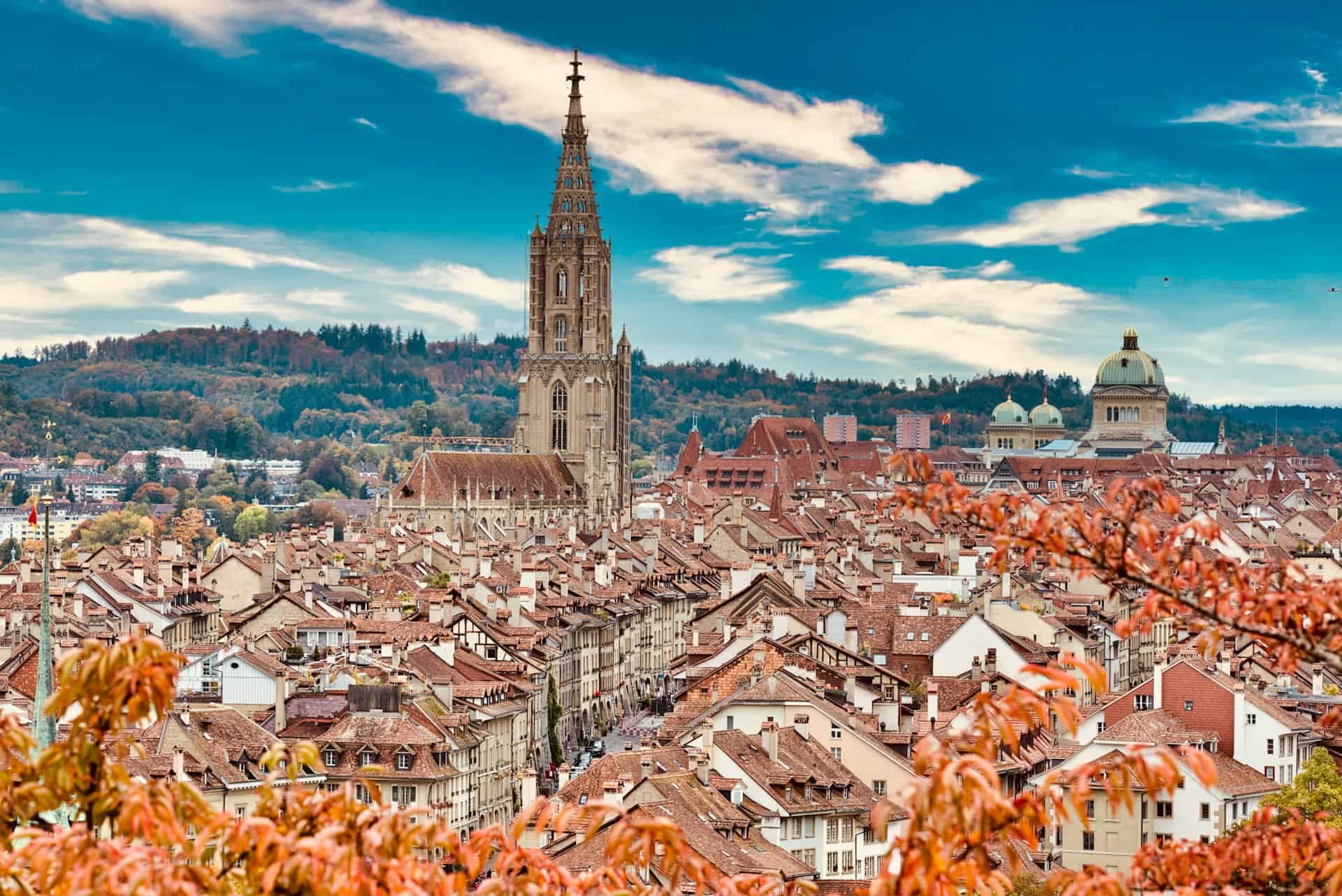
Bern, the de facto capital of Switzerland, is one of the most attractive cities in the Alpine country. This compact city rests on hills carved by the meandering Aare River, which has shaped the rock to form an exceptionally picturesque valley just below the old town’s buildings. Bern’s Altstadt (Old Town) is considered one of the most beautiful urban areas in Switzerland. Despite the city’s modest size, the historic center is surprisingly large and lively.
Visitors can easily lose themselves in the winding streets of the old city, where an almost overwhelming abundance of shops, restaurants, department stores, and stunning architectural landmarks awaits. Bern is renowned for its impressive array of public fountains along the main streets of the center. The colorful sculptures of these fountains have become a symbol of the city, alongside the iconic bears, the Parliament building, and the striking Münster cathedral.
The Bernese Alps and Canton of Bern
Canton Bern is the second most populous canton in the Swiss Confederation (after Zurich) and the second largest in area (after alpine Graubünden). It is home to the city of Bern, the de facto capital of Switzerland. The canton offers a variety of highly attractive landscapes for tourists, ranging from lively urban areas to peaceful rural valleys and breathtaking Alpine scenery.
East of the capital lies the picturesque, almost flat Emmental region (the valley of the Emme River). This area is famous for its rolling meadows, healthy cows, and, of course, its renowned cheese. Emmental cheese, named after the valley itself, embodies Swiss identity in a nutshell. To the north lies the canton’s second-largest city, Biel/Bienne, a bilingual city with a significant French-speaking population.
South of Bern lie the two beautiful lakes of Thunersee and Brienzersee. Surrounded by imposing peaks at the start of the Bernese Oberland, these lakes and the towns of Thun, Brienz, and Interlaken form a highly popular tourist destination. Beyond the lakes rise the Bernese Alps, the second highest range in Switzerland, offering dramatic alpine landscapes.
On the northern slopes of the Bernese Alps are some of Switzerland’s most prestigious and famous ski resorts. Legendary ski towns such as Gstaad, Mürren, Kandersteg, Adelboden, Wengen, and Grindelwald attract massive numbers of tourists every winter eager to carve the slopes. The Bernese Alps boast some of the most spectacular peaks in the entire range, with the Jungfrau at the pinnacle. Recognizing its allure, the Swiss have made the Jungfrau summit accessible to visitors, allowing tourists to experience the grandeur of this iconic peak.
Basel
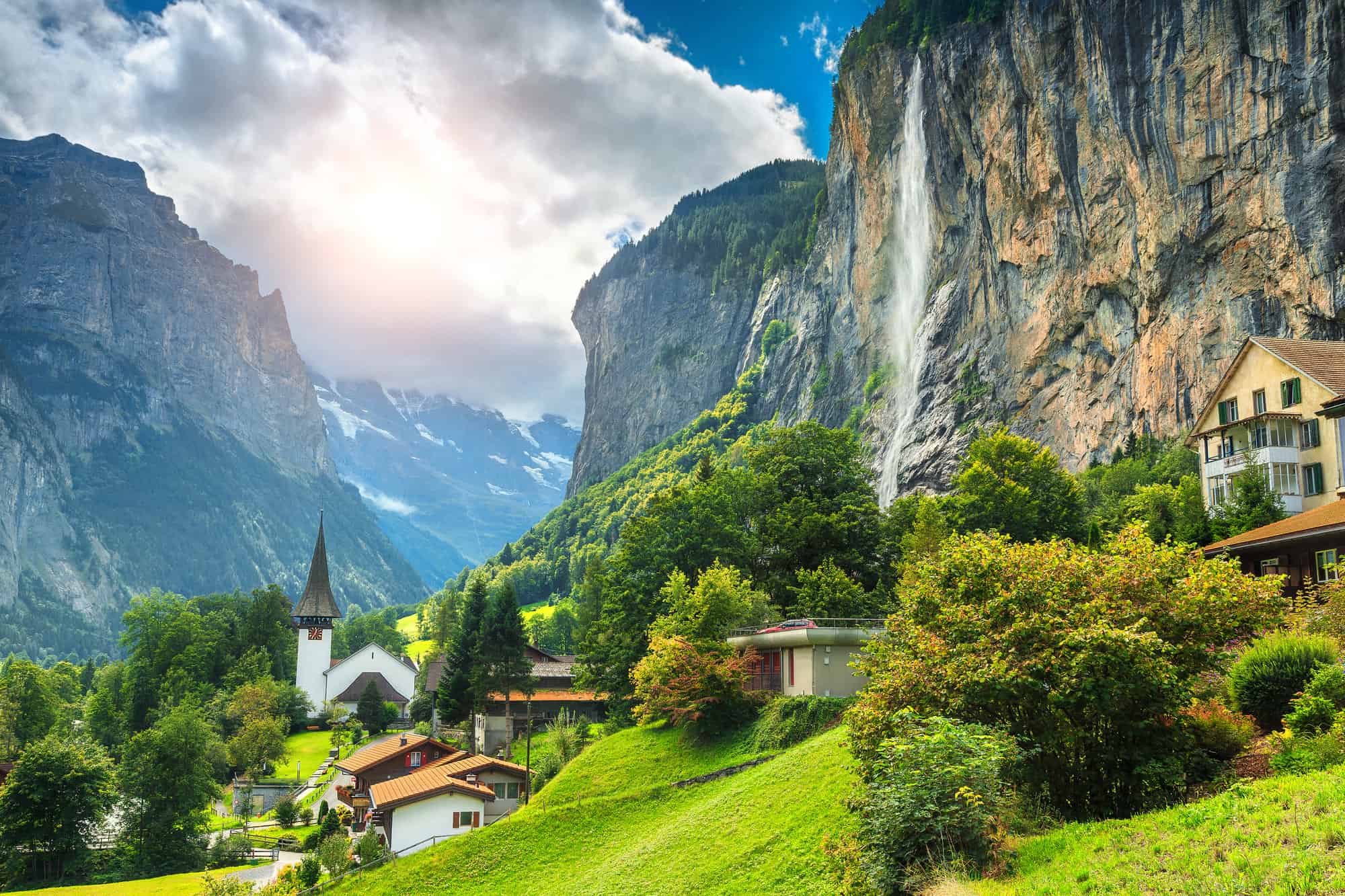
Basel is considered the cultural capital of Switzerland, home to more than forty museums. The most notable is the Kunstmuseum, the first museum in history to open to the public. Surrounding the art museum is an incredible variety of specialized museums, making the southern part of the old town a unique cultural gem.
The city is built along the banks of the Rhine River. The old town, known as Altstadt Grossbasel, forms the historic heart of Basel itself. Basel is a typical German-speaking Swiss city, full of culture, beer, excellent food, and shopping. During winter, its famous Christmas markets add a magical festive atmosphere to the city.
Basel’s location right on the Switzerland–France–Germany border triangle gives it close connections to neighboring cities. Cities such as beautiful Strasbourg in France and Freiburg im Breisgau, the capital of Germany’s Black Forest region, are easily accessible. The EuroAirport Basel-Mulhouse-Freiburg, located north of the city across the French border, serves as a hub for tourist traffic into the Black Forest and Alsace-Lorraine, as well as for Basel itself.
Lucerne
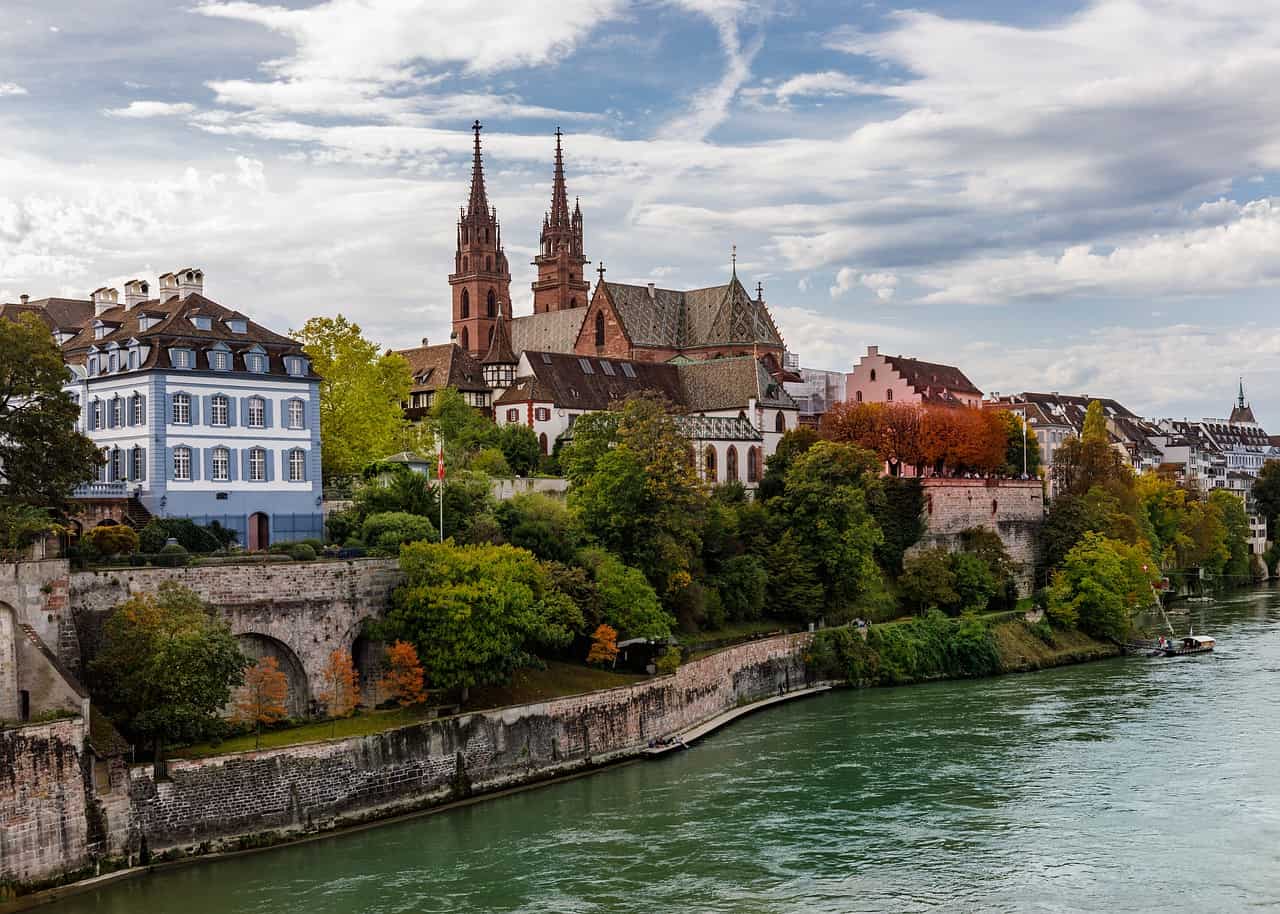
Lucerne is one of the most beautiful and attractive cities in Switzerland. This small city, located on the shores of Lake Lucerne (also called the Lake of the Four Cantons), is the urban center of a water-rich and mountainous region where the Swiss Confederation was founded at the end of the 13th century. Today, Lucerne is one of the most visited cities in Switzerland, benefiting from a central location, historic sites, a lively atmosphere, breathtaking surrounding countryside, and abundant waterways.
Once a small fishing village, Lucerne grew with the commercial boom along the St. Gotthard Pass. To this day, it serves as a gateway between the high Alpine region and the German-speaking Swiss lowlands. Along the banks of the Reuss River, which flows out of Lake Lucerne, traditional Swiss houses line the streets, shaded by the bell towers of impressive churches. The two riverbanks are connected by a series of iconic bridges, which have become the city’s most famous landmarks.
Lake of the Four Cantons
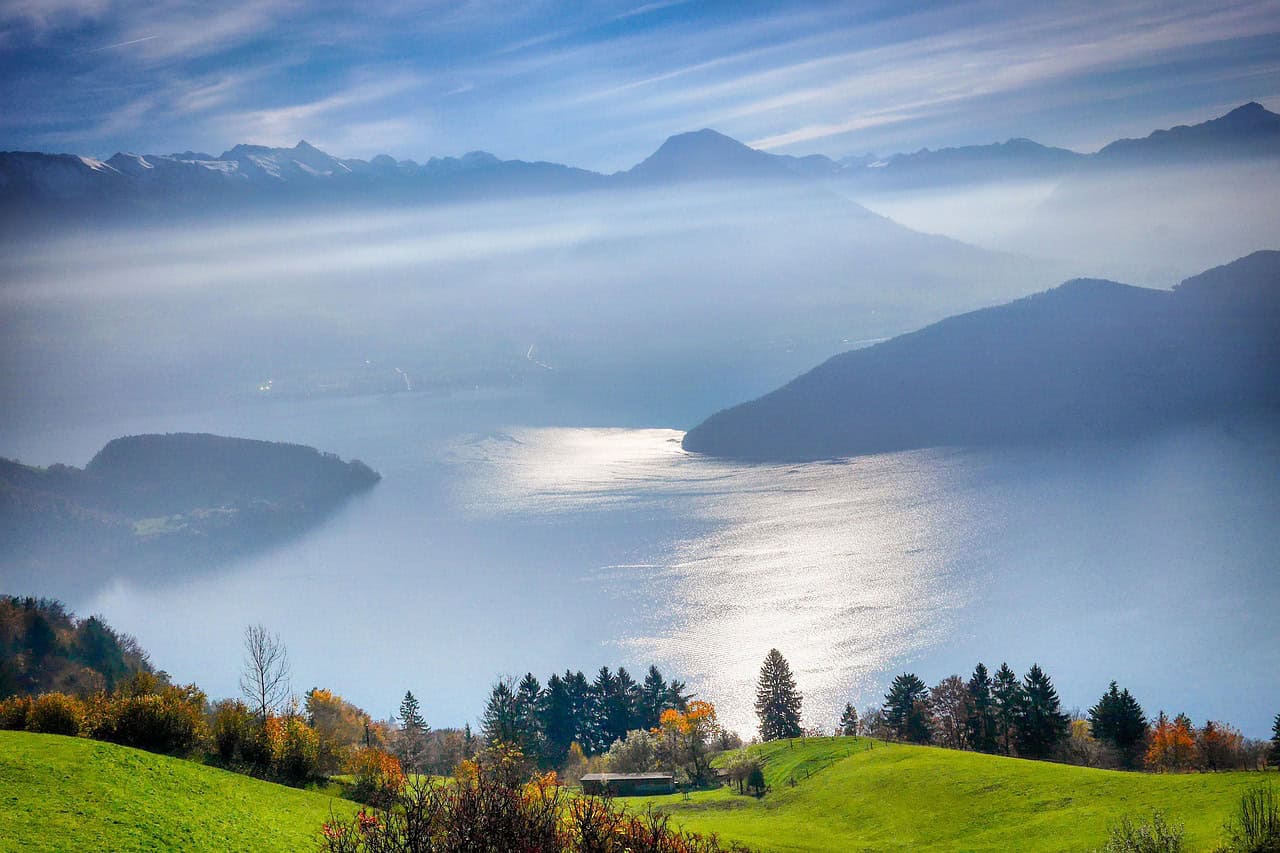
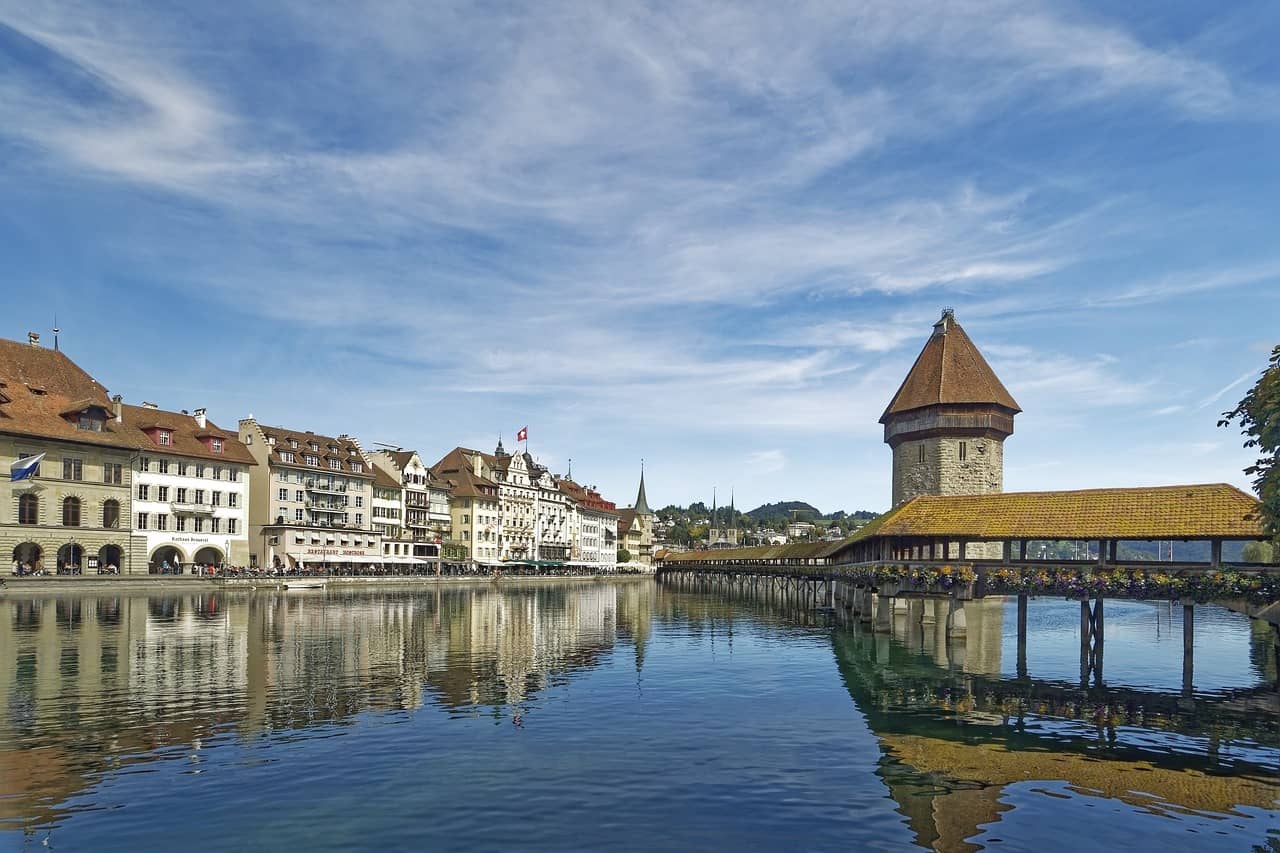
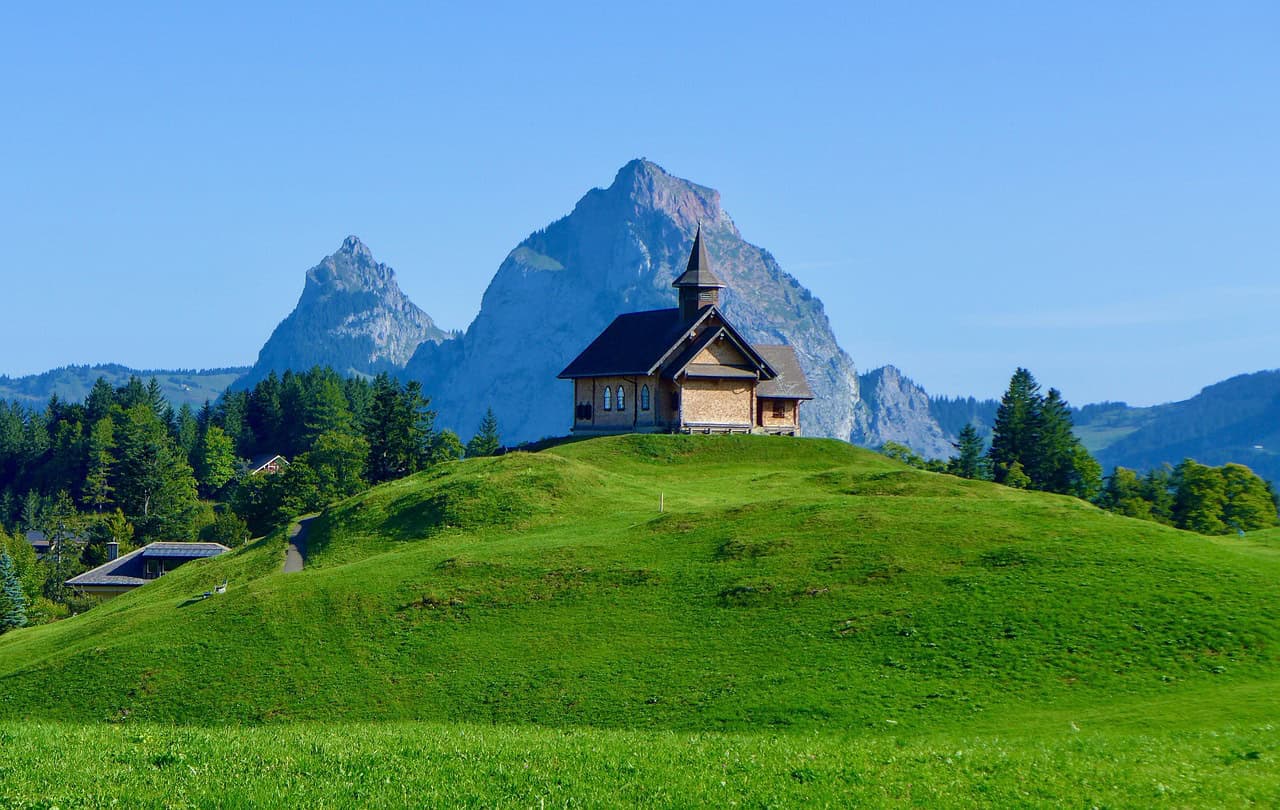
Lake Lucerne, also commonly called the Lake of the Four Cantons, is the historical and mythical heart of the Swiss Confederation. The union itself was named after the Canton of Schwyz, one of the three founding cantons of the Confederation. The alliance was sealed on the shores of the lake in 1291. Schwyz also contributed the iconic flag featuring a white cross on a red background, which later became the basis for the international Red Cross flag.
From a legendary perspective, the Canton of Uri is the birthplace, arena, and site of rebellion of Switzerland’s greatest hero—William Tell. Visiting Altdorf, the canton’s capital, where he famously shot an apple off his son’s head, is almost entirely dedicated to William Tell and the locations associated with his story.
Near these three rural forest cantons lies Lucerne, one of Switzerland’s most attractive and important cities. Beyond Lucerne, the Alps begin to rise. Engelberg, a renowned ski town, sits at the foot of Mount Titlis, famous for the massive glacier at its base. Engelberg is one of Switzerland’s key ski hubs. To the west, toward Andermatt, the famous “Three Passes Route” winds through the mountains, offering a breathtaking Alpine drive and a remarkable feat of engineering.
Ticino
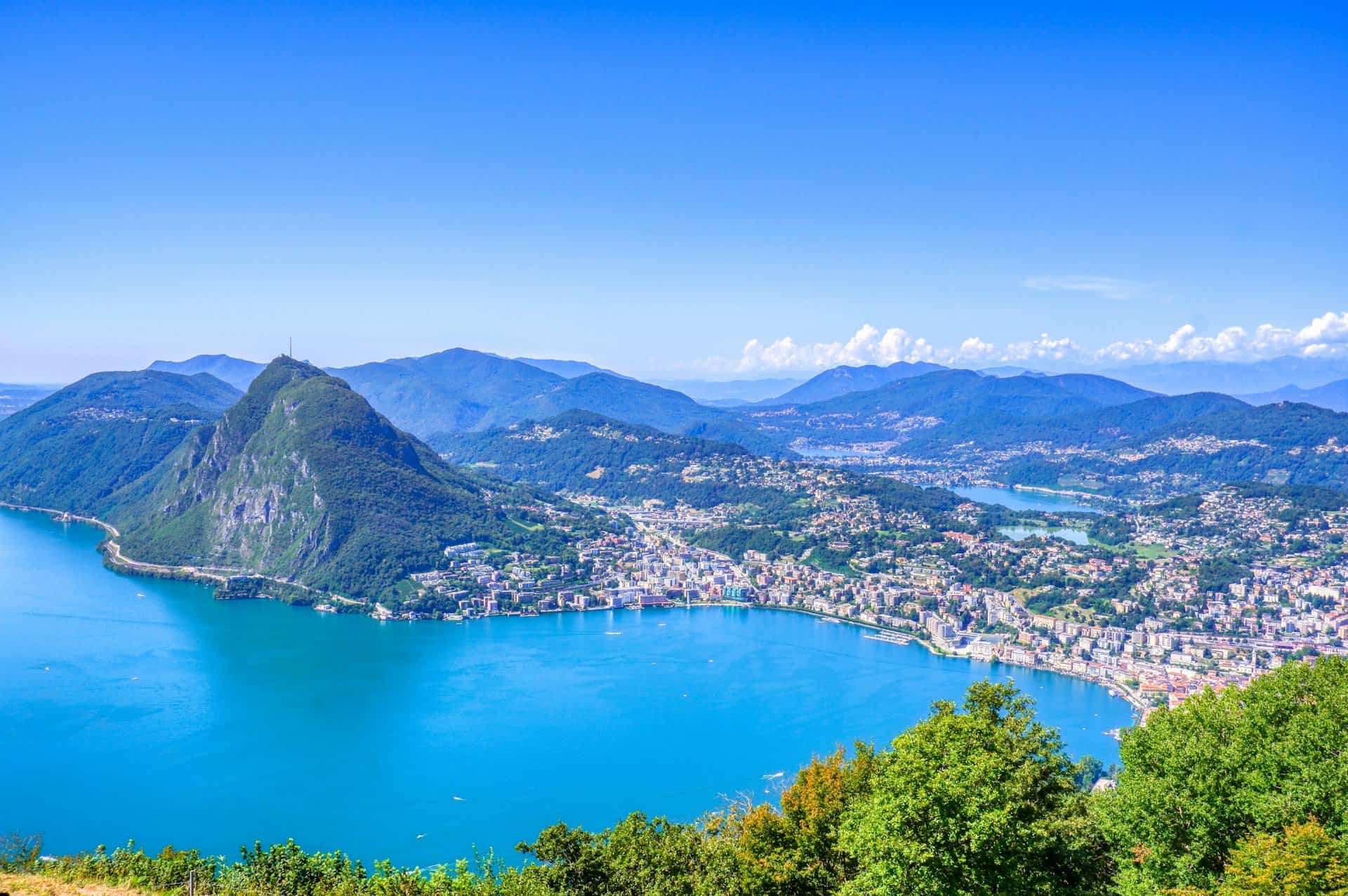
The Canton of Ticino is a stunning fusion of Switzerland and Italy. In this remarkable canton, you’ll find the order, cleanliness, and uncompromising beauty of German-speaking Switzerland combined with the warm charm of Italy. This warmth brings with it the directness of Italian culture, vibrant colors, and sun-drenched days of breathtaking beauty. Ticino is much more than Italian-speaking Switzerland—it is a slice of Italy within the borders of Switzerland.
Ticino is the largest and most central Italian-speaking canton among Switzerland’s 26 cantons. The vast majority of Italian speakers in Switzerland live here. Its main cities—Lugano and Bellinzona—are relatively large Italian-style urban centers with lively cultural scenes and distinctly Italian architecture. The Centro Storico (historic center) of these cities recalls northern Italian towns, with magnificent Catholic churches, impressive castles built by the Milanese Visconti kings, and a large, slightly chaotic city square at the heart of it all.
French-Speaking Switzerland
Geneva
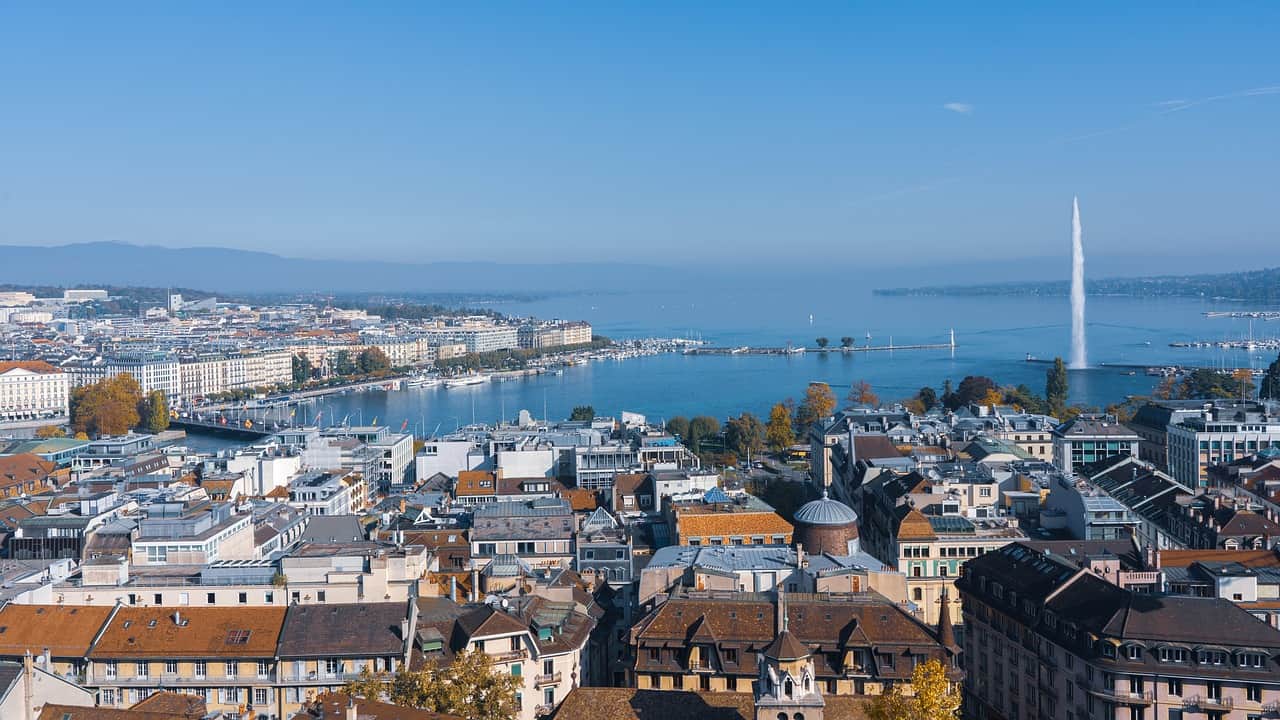
Geneva feels like a small leap into France during a visit to Switzerland. The city is the largest and most important urban center of what we know as French-speaking Switzerland. It occupies the entire area of the Canton of Geneva, the westernmost canton of Switzerland, which is an enclave completely surrounded by French territory. To the east, the city stretches along the western shores of Lake Geneva, the largest of the Alpine lakes. Geneva sits at the point where the Rhône River flows out of the lake, beginning its long and gentle journey toward the Mediterranean coast in Provence.
Geneva’s international standing as Switzerland’s second-largest city (after Zurich) and as the urban center of the French-speaking region—alongside its unique Protestant Calvinist heritage—shaped its cosmopolitan character. Outside of the European Union headquarters in Brussels, no city rivals Geneva in terms of hosting international organizations. The city was home to the League of Nations from 1920 until its dissolution, and today it hosts the second-largest United Nations center, along with numerous non-governmental organizations affiliated with the UN.
Lake Geneva
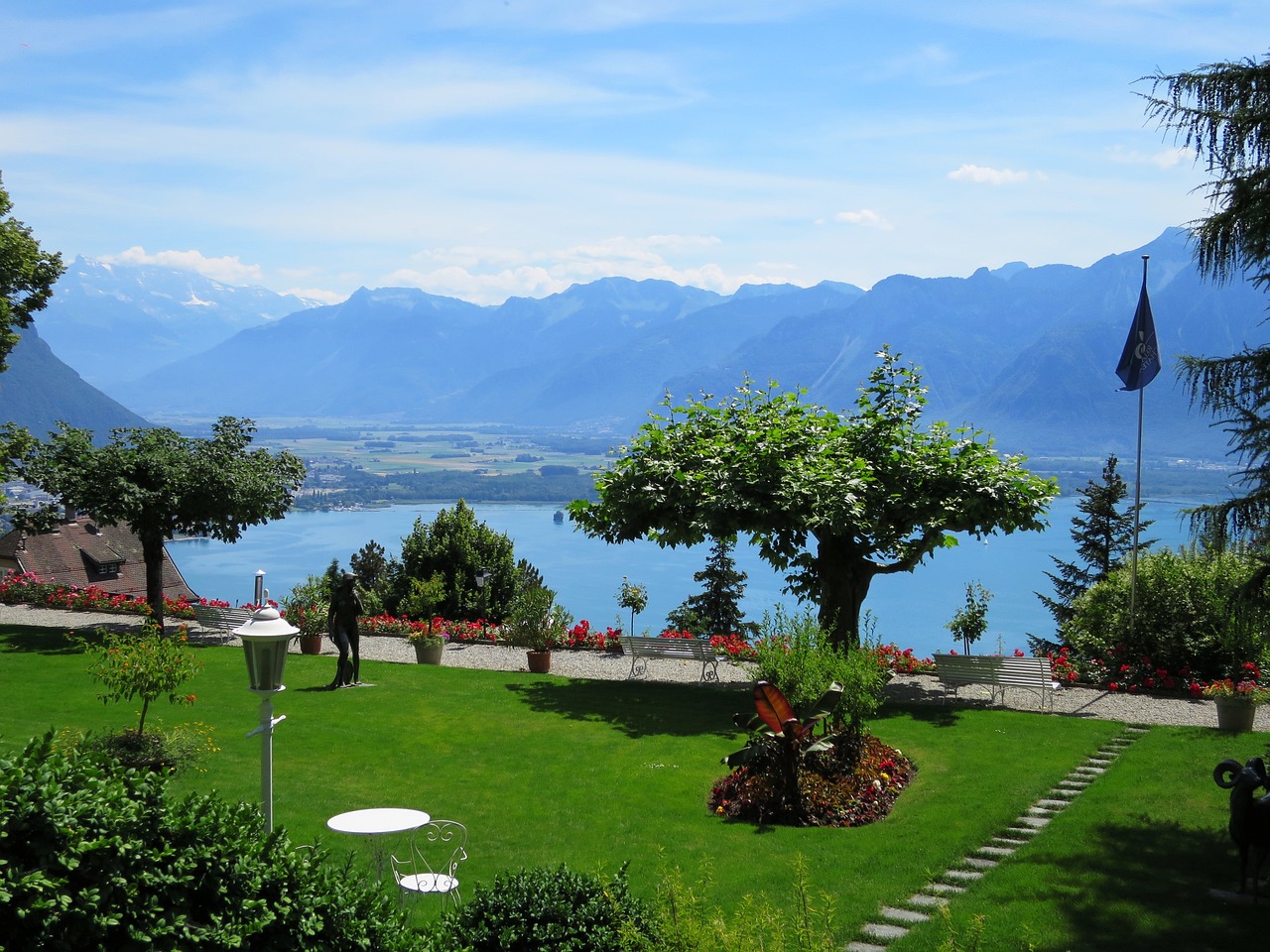
Lake Geneva, also known as Lac Léman, is arguably the number one tourist destination in all of Switzerland. The area surrounding the lake is extremely popular with Swiss domestic summer tourism, but it is especially beloved by international visitors eager to experience the traditional Romandy region—what we call French-speaking Switzerland. Along the lake’s shores, the towns and cities boast numerous stylish hotels, passenger ships and ferries, vineyards climbing the hillside slopes, breathtaking views of the Alps to the south, historic castles, and well-preserved estates either on the shoreline or overlooking it from the surrounding hills.
The city of Geneva, Switzerland’s second-largest economic center and the European headquarters of the United Nations and other international organizations, perfectly represents Switzerland’s special role and its French-speaking part in particular. Geneva serves as the gateway to the attractions around the lake and hosts Switzerland’s second-busiest airport after Zurich.
The beautiful and historic city of Lausanne, perched above the lake, is another gem. It is both large and historically important in Switzerland. East of Lausanne stretches the almost mythical Swiss Riviera—a strip of villages, towns, and cities along the lake that has been a retreat for cultural icons and famous personalities since the early 19th century. Montreux is the Riviera’s “capital,” famous for the legendary jazz festival held there each summer and for its famous past residents. Vevey is the second most prominent city on the Riviera. Charlie Chaplin spent his later years there, and Vevey is also where Henri Nestlé founded the Swiss food giant that still bears his name and serves as its corporate headquarters today.
Lausanne
Lausanne is one of the most beautiful cities in Switzerland. It sits perfectly along one of the country’s most scenic routes—the northern shore of Lake Geneva (Lac Léman). Lausanne is the largest city of the Swiss Riviera, as this lakeside region is called. The eastern part of Lake Geneva includes several famous and unique tourist destinations, with the lakeside resort city of Montreux at the forefront.
Montreux and the other Riviera towns are only about a twenty-minute train ride from Lausanne. During late spring and summer, the entire northeastern part of the lake becomes the top vacation destination for Swiss residents, along with international tourists eager to experience the crystal-clear waters and stunning backdrop of the Alpine peaks.
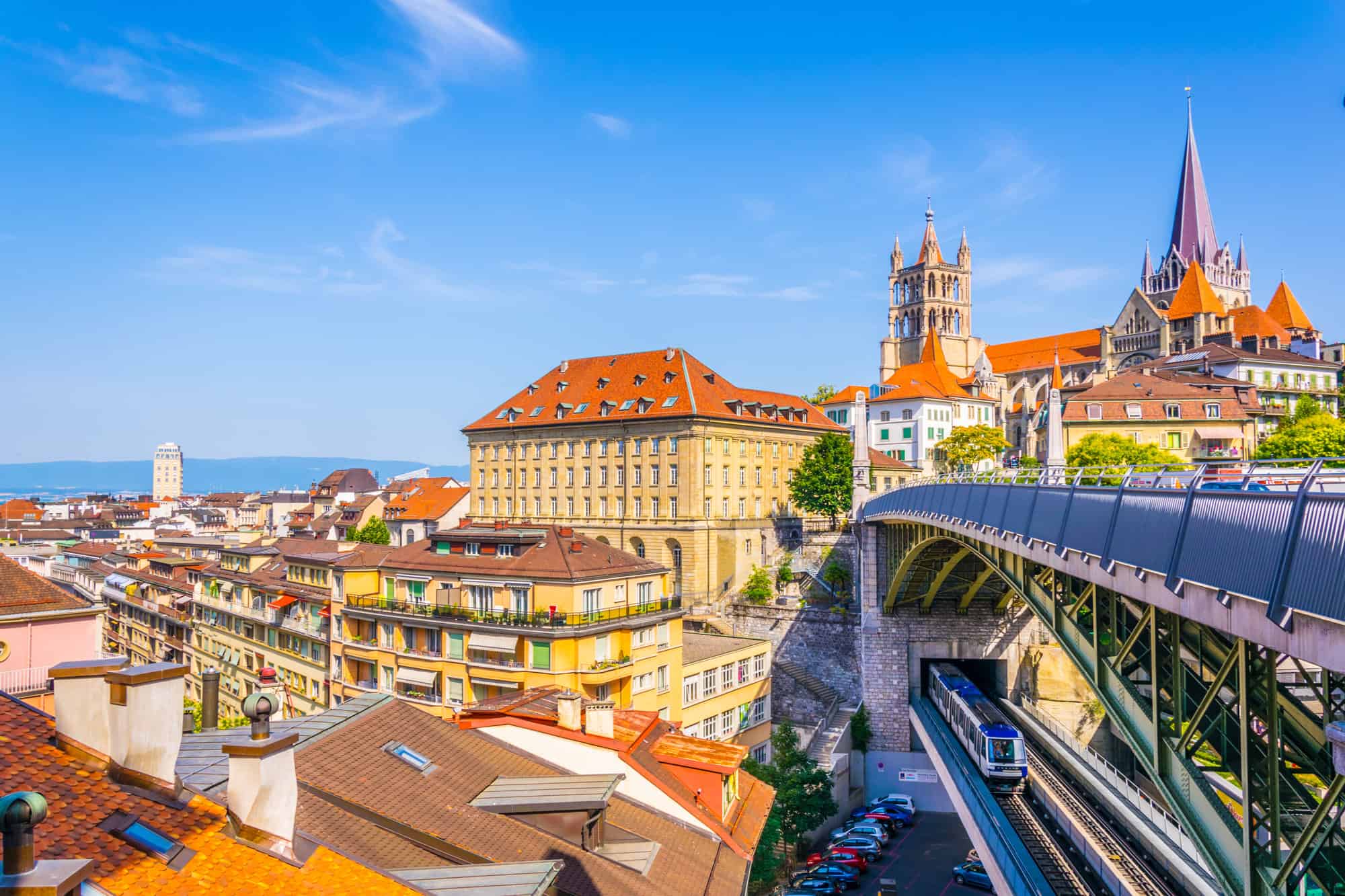
Lausanne is the second-largest city along the lake, after its western neighbor, Geneva. Both cities are the primary centers of what is known as French-speaking Switzerland. Lausanne is considered one of Switzerland’s most beautiful cities, not just for its views but mainly because of its unique geological structure. Today, the city is built atop three steep hills carved by glaciers, with a dramatic layout that culminates in the cathedral perched at the highest point.
The Valais Alps
The Rhône Valley and its branching Alpine valleys form the breathtaking geographic region known as the Canton of Valais. The Rhône Valley stretches south of the Bernese Alps and north of the Pennine Alps, a range that includes some of the most famous and stunning peaks in the entire Alpine chain.
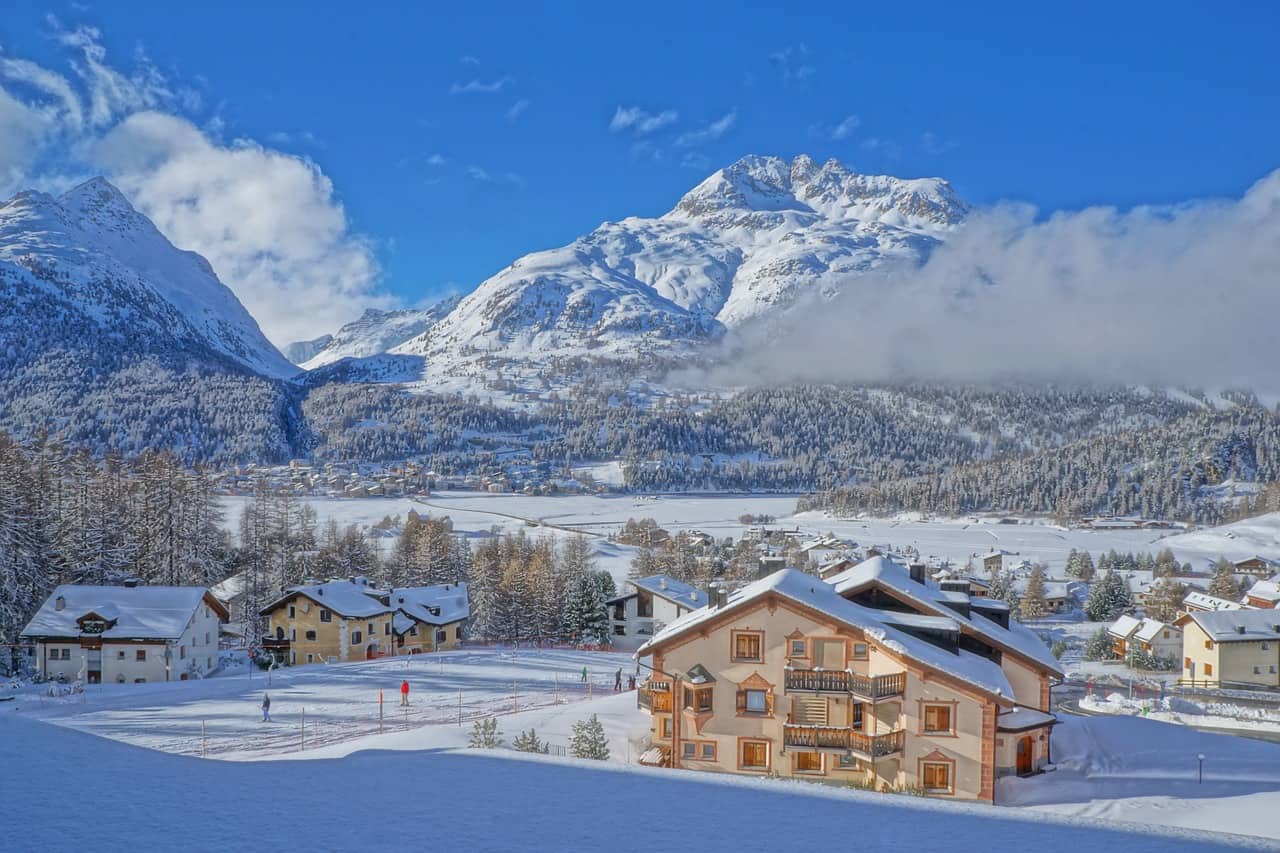
The ski town of Zermatt, located beneath the iconic Matterhorn (and the Dufourspitze, the second-highest peak in the Alps), is the most famous and popular ski destination in Europe. The town offers a spectacular view of the four massive peaks surrounding it but is most strongly associated with the Matterhorn itself.
Beyond Zermatt, along the Alpine valleys feeding the Rhône River, there are numerous ski resorts ascending the peaks, breathtaking glaciers, traditional Alpine villages, enormous dams, and countless hiking and nature trails. Along the Rhône’s banks, several beautiful and historically significant towns can be found, led by the canton capital, Sion, known for its two impressive castles overlooking the town from the east.
The upper, German-speaking part of the valley also offers Alpine thermal baths and villages with a traditional Germanic Alpine character, providing a contrast to the French-speaking heart of the Valais.
The Jura Mountains
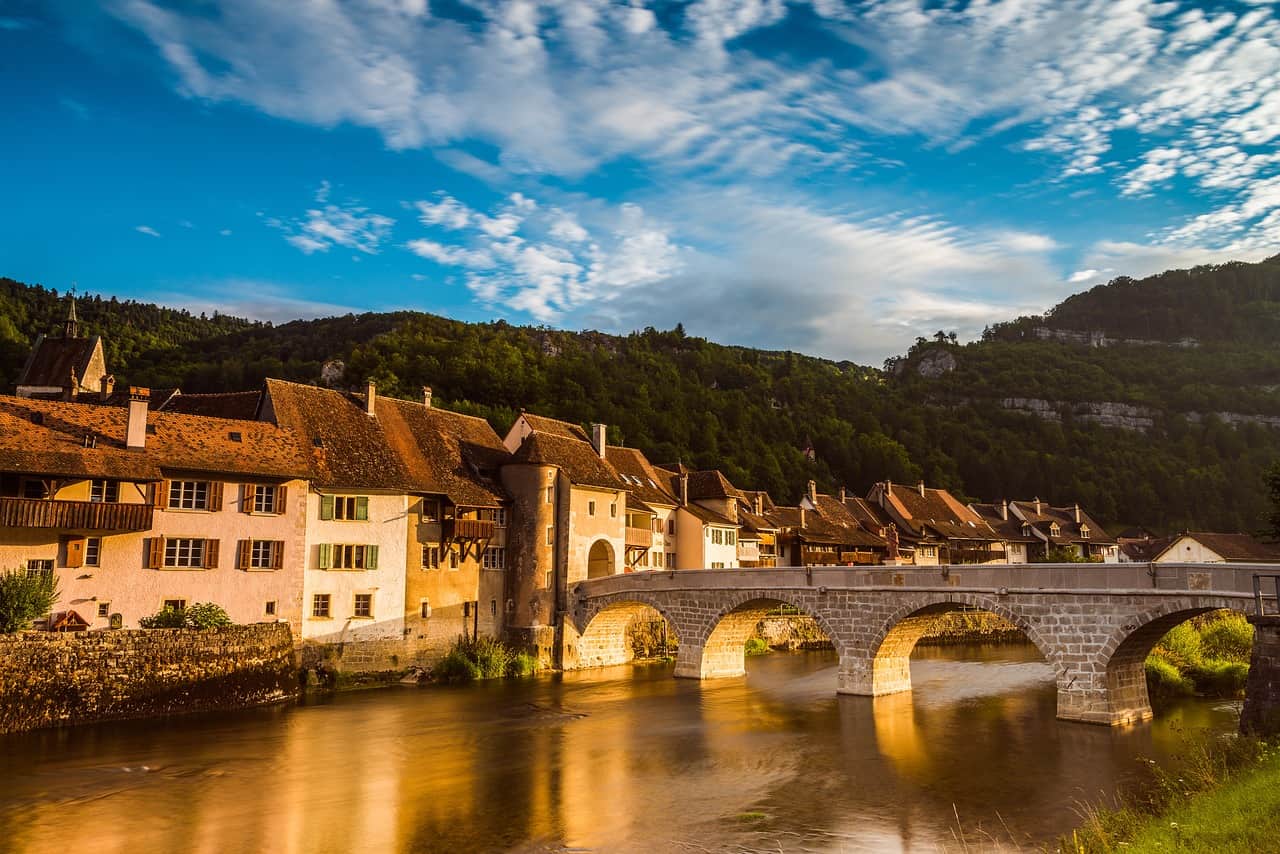
The Jura Mountains are the birthplace of Switzerland’s famous luxury watch industry. The town of Le Locle is considered the birthplace of the industry, while La Chaux-de-Fonds is where the country’s major watch brands were founded, including Rolex. La Chaux-de-Fonds is also the largest (and almost the only) city in this essentially rural region.
The green and beautiful Jura is a slice of the pastoral countryside of French-speaking Switzerland. Its landscapes and character differ from the more dramatic regions of Switzerland. The Jura Plateau is peaceful and verdant, without the massive peaks and alpine crags that dominate the rest of the country.
The Jura is a stunning transitional region for travelers journeying between Basel in the east and Lake Neuchâtel in the west. The area is dotted with charming villages, serene small towns, and one city that stands out as a model of modern architecture—La Chaux-de-Fonds, the birthplace of the father of modern architecture, Le Corbusier.
Neuchâtel and Fribourg
The region of Three Lakes in western Switzerland—around Lakes Neuchâtel, Morat (Murten), and Biel—is a pleasant and distinctive travel destination, offering a different experience from the more intense Swiss lake regions such as Lake Geneva, the Bernese lakes (Thun and Brienz), or Lake Lucerne (the Four Cantons). The rural landscape of northern Canton Vaud (the largest French-speaking canton) and the cantons of Fribourg and Neuchâtel provides a uniquely Swiss experience that captures the fusion of Romandy—French-speaking Switzerland—with the Germanic essence of the confederation.
The linguistic border between German-speaking and French-speaking Switzerland is particularly evident in the beautiful and special towns of Fribourg and Murten. These are mixed towns, rich in history that helped shape the modern Swiss Confederation. Lake Neuchâtel, to the north, adds its own mix of leisure and history to the region. The charming city of Neuchâtel, the capital of the canton that bears its name, stretches along the northern shore of the lake, nestled at the foot of the Jura Mountains.